Confidence
Positive Thinking and Self Confidence

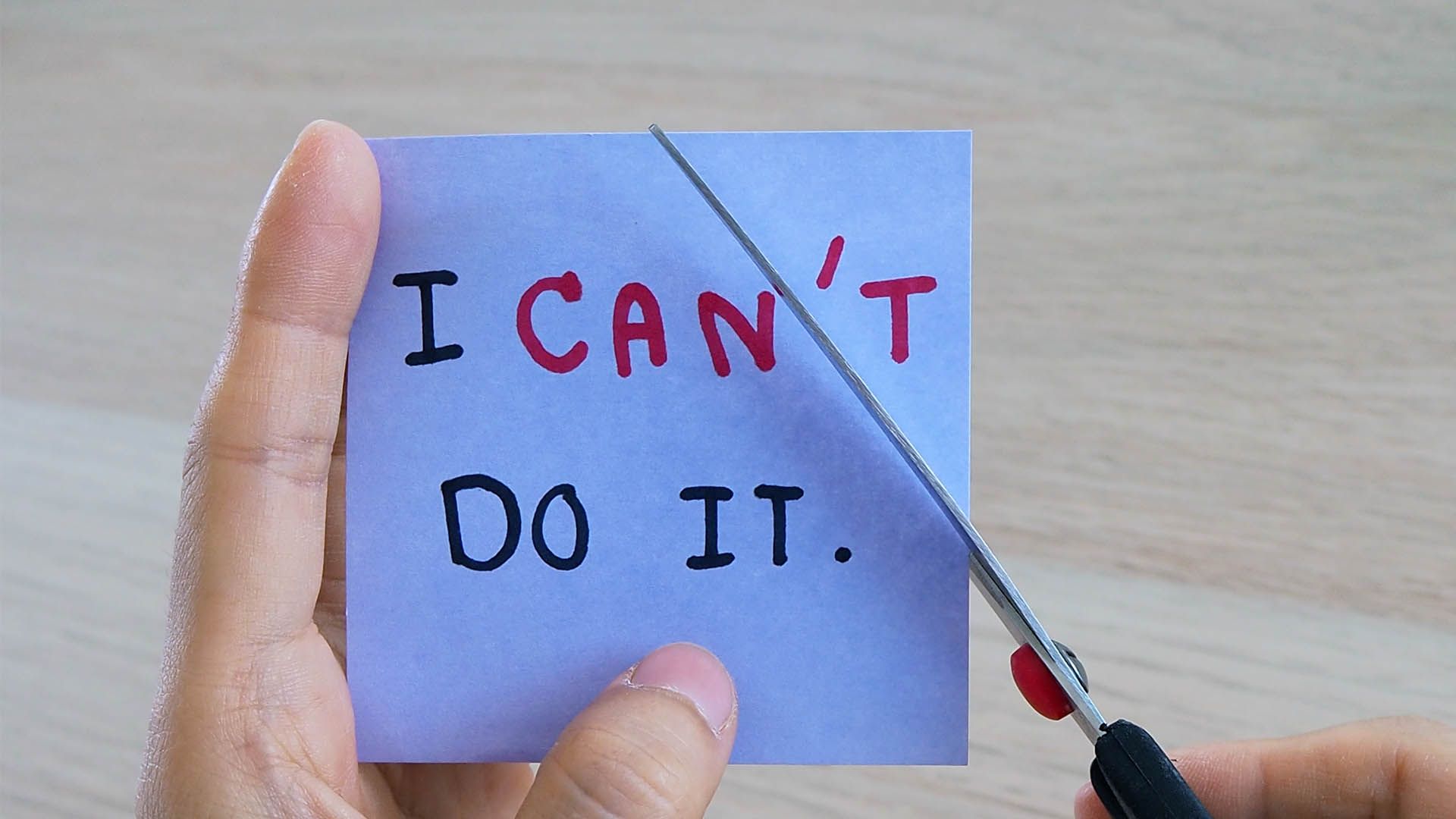

Positive thinking and self confidence. These are linked: optimism boosts self-belief, while confidence reinforces positive thought patterns. This creates a cycle in which you concentrate on your strengths, set realistic goals, reframe setbacks as opportunities for learning, practice gratitude, use affirmations, and act confidently, all of which contribute to improved wellbeing and goal achievement. In order to develop a strong inner belief in yourself, you must practice attentive self-talk, concentrate on your special strengths, assist others, and adopt constructive habits like exercise and thankfulness.
POSITIVE THINKING AND SELF CONFIDENCE
Positive thinking leads to healthy, aggressive, solution-focused conduct. This entails establishing objectives, resolving issues, communicating assertively with others, taking measured risks to succeed, and leading a balanced lifestyle. Taking constructive action keeps us motivated to achieve the goals we set for ourselves, which has numerous advantages. These include feeling satisfied, developing a greater sense of self-efficacy, or “I can” confidence and control, enhancing interpersonal connections and our health, managing difficulties more adeptly, and learning from mistakes.
What is positive thinking?

“Positive thinking” is the practice of thinking in a realistic, reasonable, balanced, solution-focused, and constructive way about both the outside world and ourselves.
As a result, thinking positively raises our self-esteem and has been shown to enhance our emotions, well-being, and problem-solving skills.
What is self-confidence?
Positive thinking and self confidence
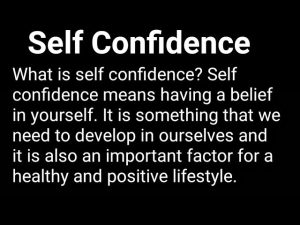
Self-confidence is a mindset on your aptitudes and competencies. It indicates that you feel in charge of your life and that you accept and trust who you are. You have a good self-image and are aware of your strengths and weaknesses. You can take constructive criticism well, speak assertively, and set reasonable expectations and goals.
Positive thinking and self confidence
Conversely, poor self-confidence can cause you to lack confidence in yourself, behave passively or submissively, or find it difficult to put your trust in other people. It’s possible that you feel inadequate, unwanted, or easily offended. Depending on the circumstances, you could not feel. Critical incidents & significant events
Summary
They are closely related. Positive thinking increases confidence by encouraging self-acceptance, lowering self-doubt, and boosting resilience. This leads to better stress management, better mental and physical health (including heart health), stronger relationships, improved problem-solving, and greater success in life by reframing obstacles as opportunities for growth.

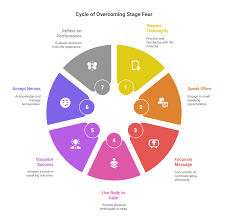
Stage fright overcoming tips. Use deep belly breathing, practice aloud to prepare completely, and reframe worry as excitement to get over stage fright. Visualizing success, smiling at the audience to establish rapport, and concentrating on the message rather than yourself are important tactics. The Genard Method states that you should concentrate on the requirements of the audience and employ physical methods, including progressive muscle relaxation, to relieve tension.
STAGE FRIGHT OVERCOMING TIPS
A widespread dread of being judged, stage fright, also known as performance anxiety, causes a fight-or-flight reaction that manifests as trembling, nausea, and racing hearts. It affects everyone and is brought on by perfectionism or fear of being judged. Preparation, breathing techniques, and focusing on the audience instead than oneself can all help handle it.
1. Do Breathing Exercises;

Spend some time practicing deep breathing techniques before going on stage. Breathe slowly through your nose, in for four counts and out for four counts. Try to remain calm and in control of your breathing each time so that you can take more breaths overall.
“Equal Breathing”, or Sama vritti, is the name of this breathing technique. In addition to helping you unwind, practicing breathing awareness while counting will distract you from performing
2. Avoid Caffeine;

It’s possible that you feel like you need a buzz to get going for your performance. However, drinking anything with caffeine will simply quicken your heartbeat and heighten your feelings of agitation and anxiety. Other item to stay away from are suger salt, and fast food.
3. Be Prepared;
Not knowing your songs well might cause a lot of anxiety. Prior to your live performance, having practiced and prepared thoroughly will make you feel more confident. But keep in mind that errors do occur. you wouldn’t believe how forgiving audiences can be. simply put, give it your all at the moment
4. Be Positive;

Stage fright overcoming tips
Being confident in yourself is a terrific technique to learn how to overcome stage anxiety. Raise your voice to “you.” Remind yourself that you will perform brilliantly and that the crowd will adore you. Congratulate yourself on your accomplishments and acknowledge the hard effort you have put in to get here.
5. Find A Friendly Face;
Find a friendly face in the crowd or send friend to assist you. Make it your mission to perform for them as if they were the only person present. Of course, you shouldn’t stare them down because that would make everyone in the room uncomfortable. Keep your distance, take a quick glance around, and don’t forget to turn to this familiar face in case you start to feel anxious.
6. Stand with Confidence;

Stage fright overcoming tips
Our mental processes can be altered by the way we carry ourselves. Not only will your vocals suffer from bad posture and slouching on stage, but your confidence will also suffer. With a straight back and a raised head, you convey to the world that you are self-assured and prepared to shine.
Summary
A stage is a location set aside for performances or a particular stage of a procedure. As a noun, it can refer to a raised platform (theater), a stage of development (phase), or a set of positions or a scaffold, according to Merriam-Webster. Organizing, producing, or presenting a concert or event is what it means as a verb.

Teenage girls fashion guide

Review for La Vie Est Belle

Reviewing Dior J’adore

A Step-by-Step Guide to Deleting Reels on Instagram

A Comprehensive Guide to Setting Up a YouTube Premiere