Skincare
Signs of Shingles

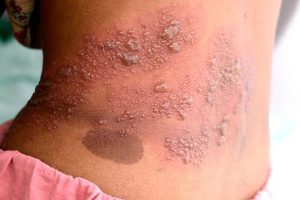
Signs of shingles. A painful rash and nerve damage are the results of the viral infection known as shingles. Herpes zoster is another name for it. The virus responsible for chickenpox also causes shingles. It remains dormant in your body and may later reactivate in your nerves. Therefore, shingles could develop if you have already had chickenpox.
SIGNS OF SHINGLES
The varicella-zoster virus, which also causes chickenpox, is the source of shingles, a rash and nerve discomfort. Shingles can develop if you have already had chickenpox. Early signs include discolouration, tingling, and burning discomfort. Shortly before the rash shows up, you may experience a headache or fever.
Signs

Weeks before the rash appears, some early signs, such as nerve discomfort and discolouration, may manifest. In the days before it, others may arrive. About three to four days after it first occurs, the rash develops into blisters. The blisters dry out and turn into scabs in ten days or so. It can take several weeks for the scabs to fully disappear.
Some patients with shingles do not develop a rash. Even if you don’t have shingles, you should still see a doctor if you experience any of its symptoms.
Causes
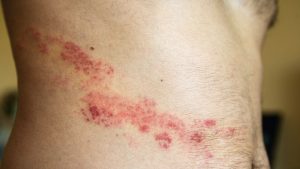
Shingles are caused by the varicella-zoster virus. Once your chickenpox symptoms have subsided, VZV remains in your body. It remains latent (inactive) within your nerve cells. Shingles can occasionally result from the virus reactivating later in life.
The reason behind the virus’s reactivation is not always clear to experts. However, it usually occurs as you age and your immune system begins to deteriorate on its own.
Prevention
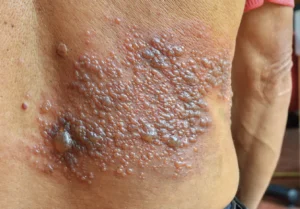
Getting a shingles vaccine can lower your risk of developing shingles if you have had chickenpox. Even if you have previously had Zostavax® or had shingles, it is still advised. To prevent spreading the chickenpox virus, keep the rash covered and stay away from people until it has entirely gone away.
Summary
Most people recover from shingles with no lasting effects. It’s crucial to monitor your symptoms and know when to get emergency medical help, particularly if your immune system is compromised. Consult a doctor as soon as you begin experiencing symptoms. In the interim, they may be able to assist manage your symptoms.

Causes and solutions of smelly armpits. It occur when bacteria break down odorless sweat on the skin’s surface. While sweat itself is virtually scentless, the metabolic byproducts of these bacteria produce unpleasant odors. The issue can often be effectively managed with targeted hygiene, proper skincare, and lifestyle adjustments.
CAUSES AND SOLUTIONS OF SMELLY ARMPITS
Sweat produced by apocrine glands is broken down into acids by skin microorganisms, giving armpits their strong fragrance. Although perspiration is usually odorless, the armpit’s warm, enclosed environment fosters the growth of bacteria, which combine with sweat to produce odor.
Many people occasionally have odorous underarms. Sweat combines with the germs on the skin as people perspire. There may be an unpleasant stench as this dries.
Causes;

Smelly armpits are causes by sweat. Sweating is a natural and essential biological process that prevent overheating. The body has between two and four million on sweat glands. These sweat glands two and four million sweat glands. These sweat glands are classified as apocrine or eccrine, with the majority being eccrine. People’s armpits are full of both kinds of sweat glands. Sweat is released by the sweat glands during physical activity or when a person gents too hot, and it evaporates to cool the body down.
Sweating is also common reaction to stress and strong emotions. The transparent, odorless liquid secreted by eccrine glands is clear. It can smell, though, if it dries on the skin. When apocrine gland fluid combines with skin surface microorganisms it emits am odorous gas.
During puberty, the sweat glands in both boys and females become more active. Teenagers frequently develop odorous underarms as a result of this, even when they did not previously. Some people perspire more than they should because of a medical condition. This condition is known as hyperhidrosis
Treatment;
By eliminating the microorganisms that generate the odor, good hygiene can help avoid smelly armpits. People ought to take a daily shower or bathe after working out. In addition, they ought to change into fresh clothes each day and change again after working out.
Prevention;

Causes and solutions of smelly armpits
Washing every day and right after perspiration is the best defense against odorous underarms. Shaving the underarms and using deodorant or antiperspirant might also be beneficial. In certain situations, avoiding foods and alcohol—like onions and garlic—can also help prevent smelly armpits
How to keep your armpits Fresh and Clean;
1. Keeping Yourself Clean;
Every day, take a shower. The biggest organ in your body is your skin, so keeping it clean will help shield you and your underarms from disease, odor, and dangerous bacteria. Make use of mild soap and warm water.
2. Wear natural fibers;

Causes and solutions of smelly armpits
Your skin can “breathe” more easily when wearing fabrics consisting of natural fibers (cotton, wool, silk, etc.) as opposed to synthetic ones (polyester, nylon, etc.). Sweat will therefore evaporate more quickly, reducing the amount of moisture, bacteria, and stink. Wearing clean clothes and washing it frequently are important.
3. Be wary of certain foods that can make your sweat smell worse
Strong smelling foods like onions, garlic, and curry, as well as spices, can aggravate body odor.
Tobacco and other items like coffee might also play a role. You can finally maintain the fresh feeling and scent of your underarms by limiting the amount of these that you use or eat.
Summary
When odorless perspiration on your skin is broken down by microorganisms, you get smelly armpits. Wear breathable, loose-fitting cotton clothing, use clinical-strength antiperspirant at night, and wash every day with antibacterial soap to prevent it.

Honey for skin and hair. High antioxidant concentration, efficient wound/burn healing, and cough alleviation are just a few of the many health advantages of honey. It is high in phenolic chemicals, which lower triglycerides and improve cholesterol to support heart health. It is a better, natural substitute for sugar, but use it sparingly.
HONEY FOR SKIN AND HAIR
A natural humectant, antioxidant, and antibacterial agent, raw, unpasteurized honey—especially Manuka—deeply moisturizes, heals, and balances skin and hair. It works as a mild cleanser and moisturizer, relieving dermatitis, minimizing acne, and enhancing hair luster.
There are amazing things honey can do for your skin and hair. Honey, frequently referred to as a “golden elixir,” is used for a variety of purposes, such as a cosmetic ingredient and a natural substitute for sugar. Nearly all of the nutrients that are good for skin and hair are found in high amount in honey.

Honey contains proteins, amino acids, vitamins, minerals, enzymes, and antimicrobial qualities that are essential for dermatological applications. The antimicrobial and antioxidant qualities of hair problems. In general, honey ought to be mainstay of the beauty regimen.
Honey works wonders in lip balms, lotions, shampoos, and face washes, among other beauty products, since it lubricates and retains moisture on the skin. Advocates of natural skincare and makeup occasionally suggest methods such as applying honey directly to pimples and dry lips or rinsing your hair with a tablespoon of honey dissolved in four glasses of warm water for a glossy finish
Ways to use honey;

There are several methods to include honey in your diet.
1) Drizzle honey over nut butter sandwich
2) Blend into smoothies or mix in a dish with fruit and yoghurt.

Honey for skin and hair
3) A delicious coating for salmon can also be made using honey and ginger.
4) It can be used to sweeten veggies and green salads. Create a homemade honey mustard sauce by blending equal parts mustard and little amount of mayonnaise to dip chicken fingers or spread on sandwiches.
Summary
Bees use floral nectar to make honey, a thick, sweet liquid that is mostly made up of sugars (80–85%), water, and trace nutrients. It is frequently used for wound healing, cough suppression, and as a natural sweetener because it is high in antioxidants and possesses antimicrobial qualities.
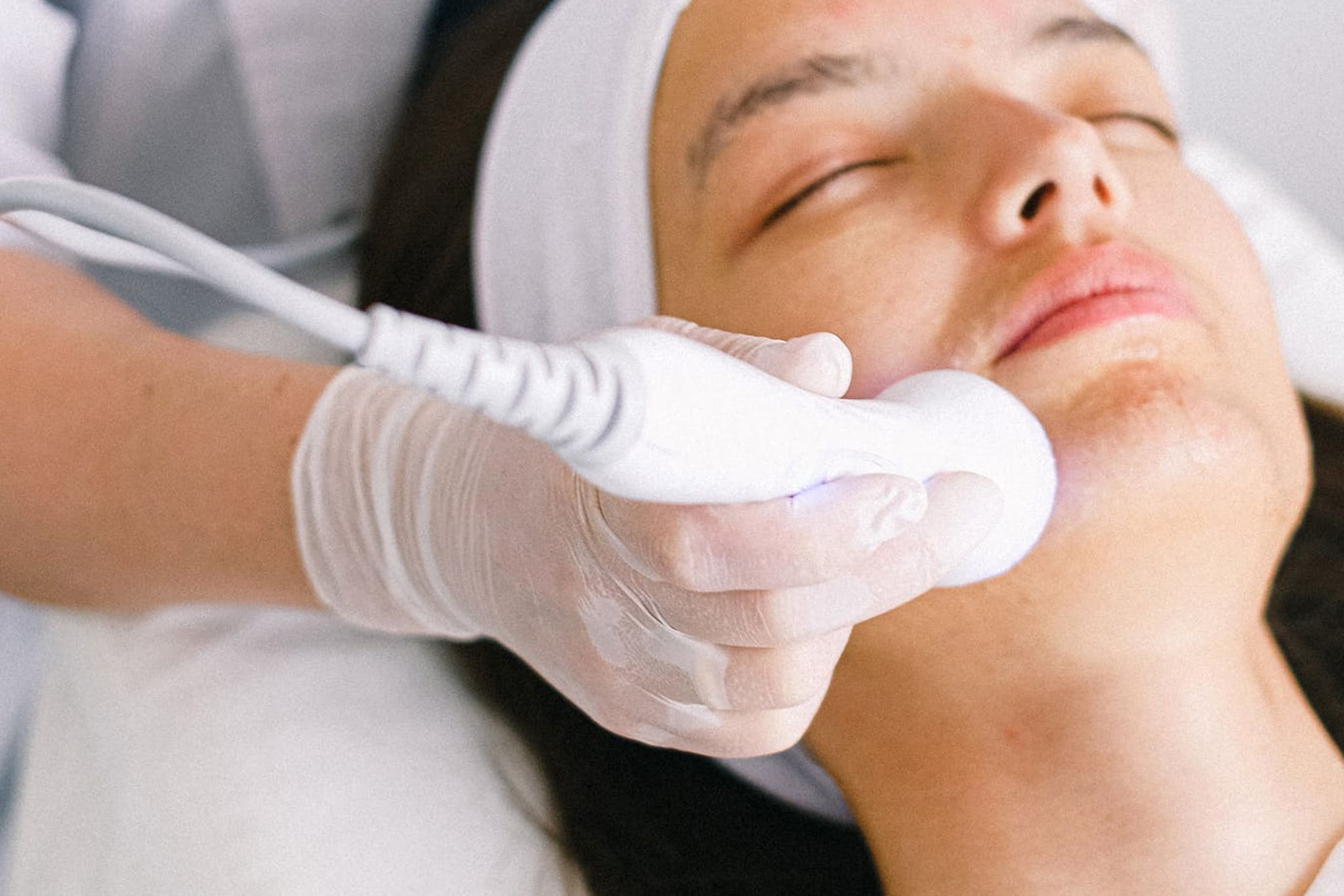
Skin cancer remedies. One of the most prevalent cancers worldwide, skin cancer is becoming more common due to a number of reasons, such as increased sun exposure, ozone layer depletion, and changing lifestyles. When skin cells experience aberrant alterations, mainly as a result of exposure to ultraviolet (UV) radiation from the sun or artificial sources like tanning beds, skin cancer occurs. Skin cancer can be fatal if left untreated, but it is very treatable when discovered early. For early detection and efficient treatment, it is essential to comprehend the types, risk factors, symptoms, and preventive actions related to skin cancer.
SKIN CANCER REMEDIES
Surgical removal, such as excision or Mohs surgery, is the main method of curing skin cancer, especially if it is discovered early. Chemotherapy creams, freezing (cryotherapy), scraping (curettage), photodynamic therapy, or radiation are other typical therapies for tiny, surface tumors. Immunotherapy or targeted therapy may be necessary for advanced tumors in order to boost the body’s immune system and eliminate cancer cells.
Types of Skin Cancer:
1. Basal Cell Carcinoma:
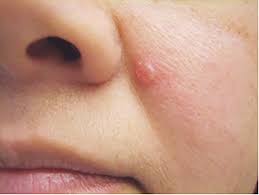
BCC is the most common type of skin cancer, typically appearing as a small, shiny bump or a red, scaly patch. It tends to grow slowly and rarely spreads to other parts of the body, but can cause disfigurement if left untreated.
2. Squamous Cell Carcinoma (SCC): SCC often appears as a firm, red bump or a scaly patch, and may grow rapidly. While it usually remains localized, SCC can metastasize to other parts of the body if not treated promptly.
3. Melanoma:
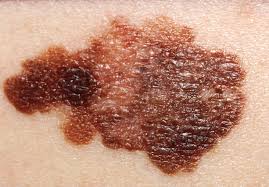
Melanoma is less common but more aggressive than BCC and SCC. It often develops from existing moles or as new pigmented growths on the skin. Melanoma can spread quickly to other organs if not detected early, making it the deadliest form of skin cancers.
Risk Factors for Skin Cancers:
1. UV Exposure: Prolonged exposure to UV radiation from the sun or tanning beds is the primary risk factor for skin cancer. Sunburns, particularly during childhood, increase the risk of developing skin cancers later in life.
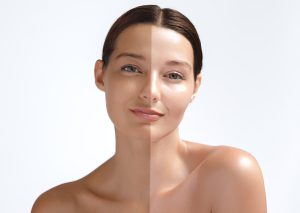
2. Fair Skin:
Skin cancer remedies
People with fair skin, light-colored eyes, and blond or red hair are at higher risk of developing skin cancers due to lower levels of melanin, the pigment that provides some protection against UV radiation.
3. Family History: A family history of skin cancer, particularly melanoma, increases the risk of developing the disease.
4. Moles: Having a large number of moles or atypical moles (dysplastic nevi) increases the risk of melanoma.
5. Immune Suppression:

Skin cancer remedies
Conditions or medications that weaken the immune system, such as organ transplantation or immunosuppressive drugs, can increase the risk of skin cancers.
Summary
The aberrant, fast proliferation of skin cells, mostly brought on by UV radiation, is known as skin cancer. Melanoma is the most dangerous kind, but basal cell carcinoma (slow-growing) and squamous cell carcinoma are the most prevalent. New moles, shifting patches, or non-healing lesions are early warning indicators. Excision, Mohs surgery, freezing, and creams are among the treatments.

Agricultural sector of the economy

Agricultural forms

Tips for successful proofreading

A Step-by-Step Guide to Deleting Reels on Instagram

A Comprehensive Guide to Setting Up a YouTube Premiere