Health
Smoking and mental health

Smoking and mental health. It has a detrimental effect on dental health, increasing the risk of oral cancer, causing tooth discolouration, gum disease, delayed healing, poor treatment outcomes, foul breath, and accelerated tooth decay. One of the most important things people can do to safeguard their general health and oral health is to stop smoking. People can reduce the harm caused by smoking and have healthier teeth and gums for years to come by quitting the habit and implementing a thorough oral hygiene regimen.
SMOKING AND MENTAL HEALTH
Smoking is a well-known health risk that negatively impacts all of the body’s systems and organs. Dental health is one area that frequently gets less attention yet is significantly impacted by smoking. Smoking can have substantial negative effects on teeth, ranging from discolouration to serious dental illnesses. Let’s see how smoking harms tooth health:
1. Tooth Discoloration;
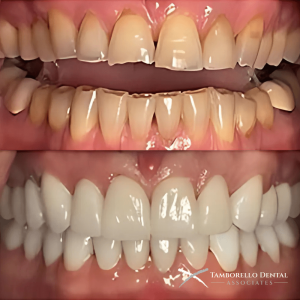

Perhaps the most visible effect of Smoking on the teeth is discoloration. Nicotine and tar, two prominent components of tobacco smoke, can gradually stain the enamel, causing teeth to take on a yellow or brownish hue. This discoloration is not only unsightly but can also be challenging to remove through regular brushing and cleaning.
2. Increased Risk of Gum Disease;
Smoking weakens the immune system and reduces blood flow to the gums, making smokers more susceptible to gum disease. Periodontal disease, characterized by inflammation and infection of the gums and surrounding tissues, is more prevalent and progresses more rapidly in smokers. Left untreated, gum disease can lead to tooth loss and even affect overall health, contributing to conditions such as heart disease and respiratory problems.
3. Delayed Healing;


Smoking interferes with the body’s ability to heal, including the healing process in the mouth. After dental procedures such as extractions or oral surgeries, smokers experience slower healing times and are at higher risk of complications such as dry socket, where the blood clot necessary for healing becomes dislodged or fails to form properly.
4. Increased Risk of Oral Cancer;
Tobacco smoke contains numerous carcinogens (cancer-causing agents) that can damage cells in the mouth and lead to the development of oral cancer. Smokers are at significantly higher risk of oral cancer, including cancers of the lips, tongue, cheeks, and throat. The risk increases with the duration and intensity of smoking.
5. Reduced Success of Dental Treatments;


Smoking and mental health
Smokers may experience reduced success rates and poorer outcomes with various dental treatments compared to non-smokers. For example, dental implants are more likely to fail in smokers due to compromised healing and increased risk of gum disease. Similarly, smokers may have less predictable results with tooth whitening procedures and may require more frequent touch-ups due to continued staining from smoking.
6. Halitosis;
Smoking contributes to dry mouth and reduces saliva production, leading to the proliferation of odor-causing bacteria in the mouth. This can result in persistent bad breath, or halitosis, which is not only socially embarrassing but also a sign of poor oral health.
7. Accelerated Tooth Decay;

Smoking and mental health
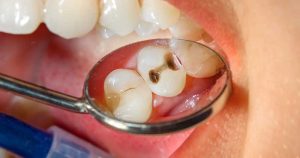
Smoking weakens the enamel of the teeth and increases the acidity of the mouth, creating an environment conducive to tooth decay. Smokers are more prone to cavities and may experience more rapid deterioration of their dental health compared to non-smokers.
Summary
There is a strong correlation between smoking and mental health; tobacco users are more likely to have psychosis, anxiety, and depression. Nicotine actually exacerbates anxiety over time, despite the fact that many people smoke to reduce stress. It has been demonstrated that giving up smoking enhances mental health, lowering stress, anxiety, and depression while raising general quality of life.