Health
Symptoms of type 2 diabetes

Symptoms of type 2 diabetes. High blood sugar, insulin resistance, and insufficient insulin synthesis by the pancreas are the hallmarks of type 2 diabetes, a chronic metabolic disease. It is the most prevalent kind of diabetes, making up the bulk of cases globally. Type 2 diabetes develops gradually over time and is frequently linked to lifestyle factors such poor food, obesity, and inactivity. Prevention and successful treatment of type 2 diabetes depend on an understanding of the disease’s causes, symptoms, risk factors, complications, and management techniques.
SYMPTOMS OF TYPE 2 DIABETES
Because of insulin resistance or insufficient insulin synthesis, type 2 diabetes (T2D) is a chronic illness that results in hyperglycemia, or elevated blood sugar. It affects 85–90% of diabetics and manifests as exhaustion, frequent urination, and excessive thirst. Obesity and inactivity are major factors, which are frequently treated with medicine, exercise, and a nutritious diet.
Causes and Risk Factors of Type 2 Diabetes;
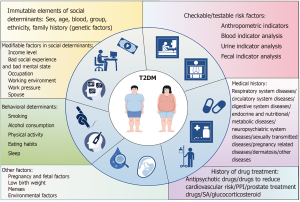

Type 2 diabetes develops when the body becomes resistant to the effects of insulin or when the pancreas fails to produce enough insulin to maintain normal blood sugar levels. While the exact causes of type 2 diabetes is not fully understood, several factors may contribute to its development:
1. Genetics: A family history of type 2 diabetes increases the risk of developing the condition, suggesting a genetic predisposition to the disease.
2. Obesity: Excess body weight, particularly abdominal obesity, is a significant risk factor for type 2 diabetes. Fat tissue, especially visceral fat, releases hormones and inflammatory substances that can interfere with insulin action.
3. Physical Inactivity:


Lack of regular physical activity and sedentary behavior are associated with an increased risk of type 2 diabetes. Exercise helps improve insulin sensitivity and glucose metabolism.
4. Poor Diet:


symptoms of type 2 diabetes
A diet high in refined carbohydrates, sugars, saturated fats, and processed foods can contribute to insulin resistance and elevated blood sugar levels.
5. Age: The risk of type 2 diabetes increases with age, particularly after age 45. However, the prevalence of type 2 diabetes in younger individuals, including children and adolescents, is also on the rise.
6. Ethnicity:Certain ethnic groups, including African Americans, Hispanic/Latino Americans, Native Americans, Asian Americans, and Pacific Islanders, have a higher prevalence of type 2 diabetes compared to Caucasians.
7. Gestational Diabetes:


symptoms of type 2 diabetes
Women who develop gestational diabetes during pregnancy are at increased risk of developing type 2 diabetes later in life.
Symptoms;
The symptoms of type 2 diabetes may develop gradually and may include:
– Increased thirst and urination
– Fatigue and weakness
– Blurred vision
– Slow-healing wounds or infections
– Tingling or numbness in the hands or feet
– Unexplained weight loss
– Recurrent infections, such as yeast infections or urinary tract infections
Summary
Increased thirst, frequent urination (particularly at night), inexplicable weight loss, excessive exhaustion, blurred vision, and slow-healing wounds or infections are common signs of type 2 diabetes. Many people may not experience any symptoms at all at first, and symptoms may appear gradually over a number of years.