Health
Techniques for stress management

Techniques for stress management. Stress is the body’s normal physical and mental response to demands, difficulties, or unforeseen circumstances in life. It sets off a “fight-or-flight” reaction that releases cortisol and adrenaline. While brief spikes in stress might increase motivation, long-term stress overwhelms your system and needs to be actively managed. Understanding stress entails examining its various aspects, typical symptoms, and effective coping mechanisms.
TECHNIQUES FOR STRESS MANAGEMENT
Actionable physical, mental, and emotional strategies to reduce cortisol and interfere with the fight-or-flight response are part of stress management. Deep breathing, time management, regular exercise, and mindfulness are fundamental techniques. The majority of people find relief by incorporating multiple techniques into their everyday routines.
1. Mindfulness Meditation;


Mindfulness meditation involves bringing your attention to the present moment without judgment, allowing you to observe your thoughts, feelings, and bodily sensations with acceptance and openness. Regular practice of mindfulness meditation has been shown to reduce stress, anxiety, and depression while promoting relaxation and emotional well-being. Set aside time each day to practice mindfulness meditation, even if it’s just for a few minutes, and gradually increase the duration as you become more comfortable with the practice.
2. Deep Breathing Exercises;
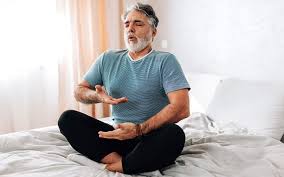

Deep breathing exercises are a simple yet powerful way to activate the body’s relaxation response and reduce stress levels. Practice deep breathing by taking slow, deep breaths in through your nose, allowing your abdomen to expand fully, and then exhaling slowly through your mouth. Focus on the sensation of the breath as it enters and leaves your body, letting go of tension with each exhale. Incorporate deep breathing exercises into your daily routine, especially during times of heightened stress or tension.
3. Physical Activity;


Techniques for stress management
Regular physical activity is an effective way to combat stress and improve overall well-being. Exercise releases endorphins, the body’s natural mood-boosting chemicals, which can help reduce stress, anxiety, and depression. Find activities that you enjoy, whether it’s walking, jogging, swimming, yoga, or dancing, and make them a regular part of your routine. Aim for at least 30 minutes of moderate-intensity exercise most days of the week to reap the full benefits of physical activity for stress management.
4. Healthy Lifestyle Habits;


Techniques for stress management
Maintaining a healthy lifestyle can help buffer the effects of stress on the body and mind. Eat a balanced diet rich in fruits, vegetables, whole grains, lean proteins, and healthy fats to nourish your body and support optimal functioning. Prioritize regular sleep and aim for 7-9 hours of quality sleep each night to promote rest and rejuvenation. Limit consumption of caffeine, alcohol, and nicotine, as these substances can exacerbate stress and interfere with sleep quality.
5 . Time Management and Prioritization;


Effective time management and prioritization skills can help reduce feelings of overwhelm and improve productivity, leading to decreased stress levels. Break tasks down into manageable steps, set realistic goals, and create a schedule or to-do list to help you stay organized and focused. Prioritize tasks based on urgency and importance, and delegate responsibilities when possible. Remember to schedule time for relaxation, leisure activities, and self-care to maintain balance and prevent burnout.
Summary
Reducing cortisol and calming your thoughts are practical, everyday strategies for effective stress management. Create a regimen that includes physical activity, mindfulness, deep breathing, and restful sleep. Use techniques like establishing boundaries and relying on your support network when you’re feeling overburdened.