
Skincare
The Four Best Lotions for Infants

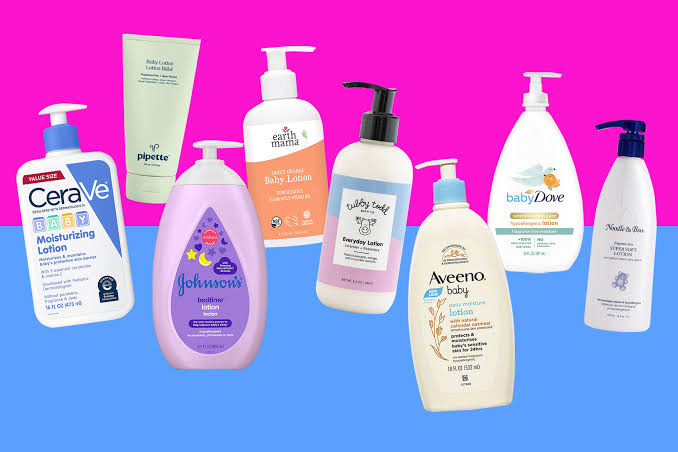
Choosing the right baby lotion for your infant is crucial to maintaining their delicate skin. Babies’ skin is more sensitive and prone to dryness, irritation, and other issues, so using a gentle and effective lotion can help keep their skin healthy and hydrated. Here are four of the best lotions for infants, designed to provide the utmost care and protection.
1. Aveeno Baby Daily Moisture Lotion
– Key Benefits: Aveeno Baby Daily Moisture Lotion is formulated with natural colloidal oatmeal, which is known for its soothing and moisturizing properties. This non-greasy, fast-absorbing lotion is clinically proven to moisturize for 24 hours, providing long-lasting hydration for your baby’s skin.
– Why It’s Great for Infants: The gentle, hypoallergenic formula is free from parabens, phthalates, and fragrances, making it suitable for sensitive skin. The natural oatmeal helps to soothe irritation and protect the skin’s moisture barrier, keeping it soft and smooth.
2. CeraVe Baby Moisturizing Lotion
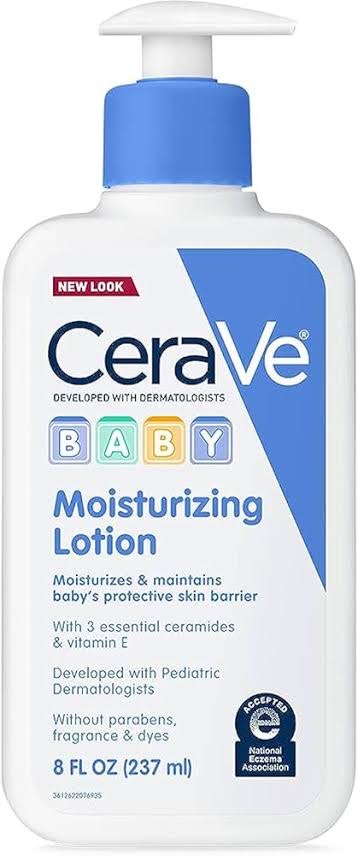
– Key Benefits: CeraVe Baby Moisturizing Lotion contains essential ceramides and vitamins to help restore and maintain the skin’s natural barrier. It provides all-day hydration with a lightweight, non-greasy formula that is free from parabens, sulfates, and fragrances.
– Why It’s Great for Infants: This lotion is developed with pediatric dermatologists and is gentle enough for daily use on sensitive baby skin. The inclusion of ceramides helps to strengthen the skin’s barrier, preventing dryness and irritation while keeping the skin well-hydrated and healthy.
3. Mustela Hydra Bébé Body Lotion
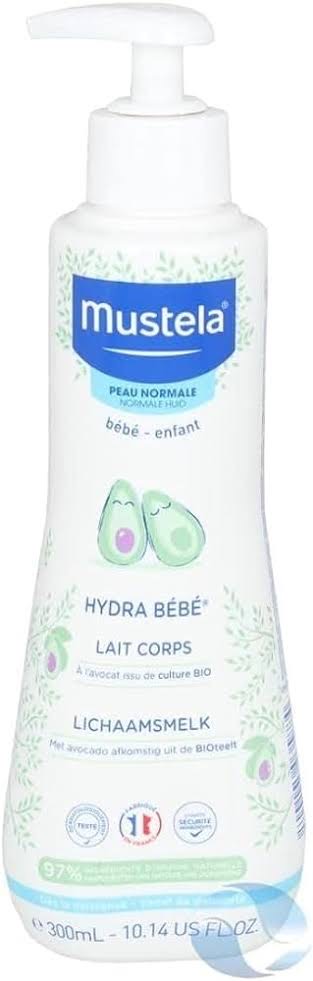
– Key Benefits: Mustela Hydra Bébé Body Lotion is enriched with natural ingredients like Avocado Perseose, a patented ingredient that helps protect and hydrate the skin. The formula is light, easily absorbed, and provides long-lasting moisture without leaving a greasy residue.
– Why It’s Great for Infants: This lotion is hypoallergenic and free from parabens, phthalates, and phenoxyethanol, making it safe for daily use on delicate infant skin. The natural ingredients nourish and protect the skin, ensuring it stays soft and supple.
4. Eucerin Baby Lotion
– Key Benefits: Eucerin Baby Lotion is a gentle, fragrance-free lotion that is designed to moisturize and protect a baby’s sensitive skin. It is enriched with pro-vitamin B5 and natural shea butter. Which help to soothe and nourish the skin, providing up to 24 hours of hydration.
– Why It’s Great for Infants: The formula is hypoallergenic and free from parabens, dyes, and fragrances. Making it ideal for babies with sensitive skin or eczema. The inclusion of shea butter helps to lock in moisture and prevent dryness, ensuring the skin remains soft and comfortable.
When it comes to caring for your infant’s skin, choosing a lotion that is gentle. Effective, and free from harsh chemicals is essential. The lotions listed above are formulated with natural, soothing ingredients that provide long-lasting hydration and protection for delicate baby skin. Whether your baby’s skin is dry, sensitive, or prone to irritation. These lotions offer the care and nourishment needed to keep their skin healthy, soft, and happy.


Honey mask application tips. A honey mask is an easy, natural, and powerful approach to improve your skincare regimen. Honey’s moisturizing, antimicrobial, antioxidant, healing, and brightening qualities can help with a range of skin issues and enhance general skin health. You may reap the many advantages of this traditional cure and attain a healthier, more vibrant complexion by integrating honey masks into your daily skincare routine.
HONEY MASK APPLICATION TIPS
Because of its antibacterial, anti-inflammatory, and moisturizing qualities, honey has been used for generations as a natural cure for a variety of skin conditions. Your skin can benefit greatly from using a honey mask. Here are five main advantages of applying a honey mask, along with instructions on how to do it successfully.
1. Moisturizes and Hydrates

Honey is a natural humectant, meaning it draws moisture from the air into the skin and helps retain it. This makes honey masks particularly beneficial for dry and dehydrated skin, leaving it soft, supple, and hydrated.
2. Fights Acne and Blemishes
Honey’s antibacterial properties can help fight acne-causing bacteria, reducing breakouts and preventing new ones from forming. Its anti-inflammatory effects also soothe redness and irritation, making it effective for acne-prone skin.
3. Provides Antioxidant Protection
Rich in antioxidants, honey helps protect the skin from free radical damage, which can lead to premature aging. Regular use of honey masks can help maintain a youthful appearance by reducing the appearance of fine lines and wrinkles.
4. Promotes Wound Healing

Honey has been shown to aid in wound healing due to its antimicrobial properties and ability to create a moist healing environment. Applying honey to minor cuts, burns, or wounds can accelerate the healing process and reduce scarring.
5. Evens Skin Tone and Brightens
Honey has mild exfoliating properties that help remove dead skin cells and reveal a brighter, more even complexion. It can reduce the appearance of dark spots and hyperpigmentation, giving your skin a natural glow.
How to Apply a Honey Mask;

1. Choose the Right Honey
Opt for raw, unprocessed honey for the best results, as it retains more of its natural nutrients and benefits. Manuka honey is particularly effective due to its higher antibacterial properties.
2. Prepare Your Skin
Start with a clean face. Remove any makeup and wash your face with a gentle cleanser to ensure that your skin can fully benefit from the mask.
3. Apply the Honey

Honey face mask application
– Pure Honey Mask: Simply spread a thin layer of honey over your face using your fingers or a brush. Avoid the eye area.
– Enhanced Honey Mask: You can mix honey with other beneficial ingredients such as yogurt (for added hydration), turmeric (for brightening), or oatmeal (for gentle exfoliation).
4. Leave it On
Let the honey mask sit on your skin for about 15-20 minutes. This allows enough time for the honey to penetrate the skin and deliver its benefits.
5. Rinse Off

Honey face mask application
Use lukewarm water to gently rinse off the honey mask. Honey is water-soluble, so it should wash off easily. Pat your face dry with a clean towel.
6. Follow Up with Skincare
After removing the mask, follow up with your regular skincare routine. Apply a toner to balance your skin’s pH, followed by a serum and moisturizer to lock in hydration.
Summary
Wash your face, apply a thin coating of pure raw honey to damp skin, and let it sit for ten to twenty minutes to create a basic, nourishing honey mask. After giving it a good rinse with warm water, wipe dry. The inherent humectant qualities of honey retain moisture and leave your skin radiant.
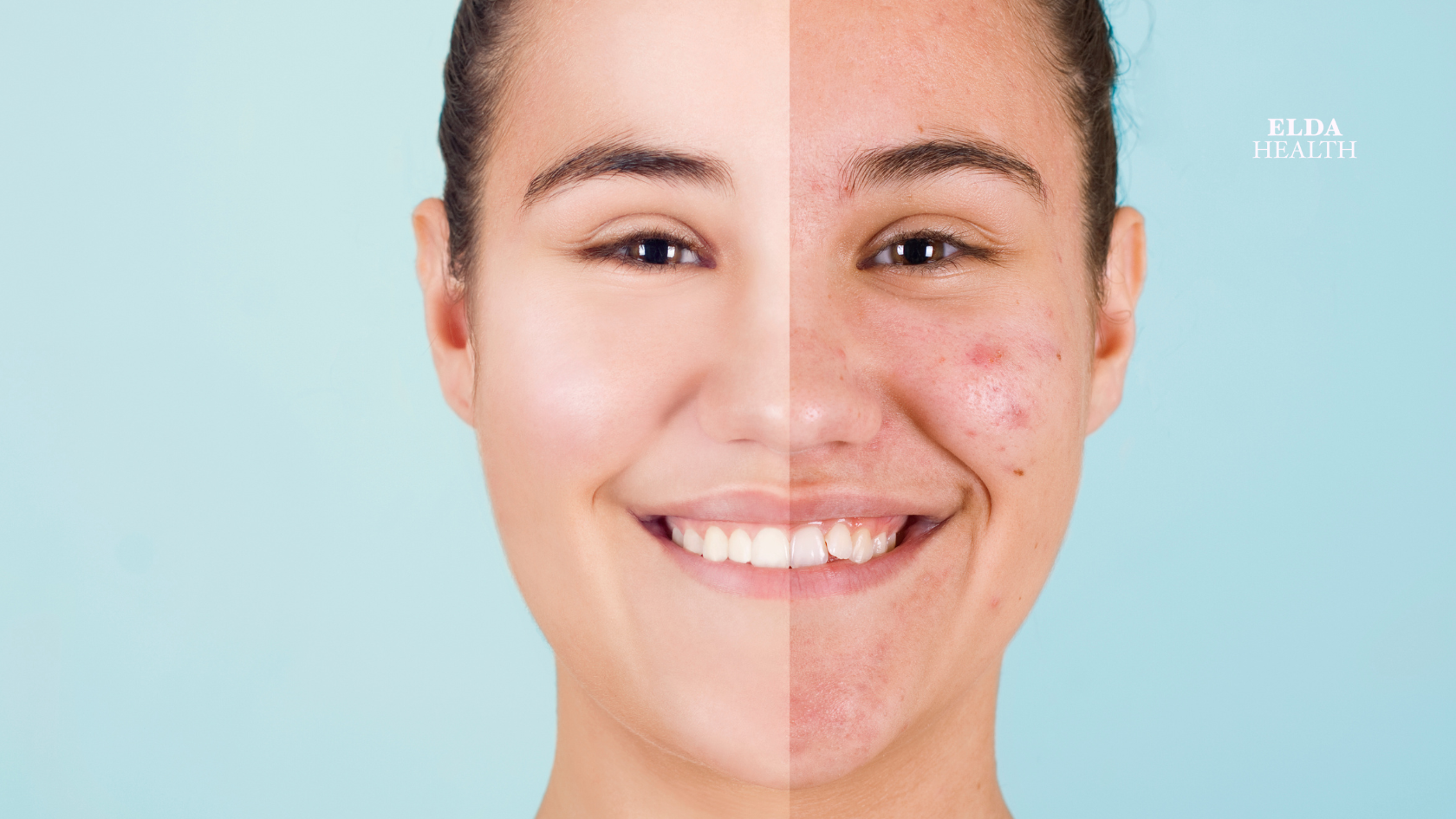
Effective home remedies for skin acne. Natural treatments for acne include apple cider vinegar, tea tree oil, honey and cinnamon masks, and aloe vera gel. Your skin can be calmed and cleared by incorporating these into your routine. Before attempting any new therapy, always conduct a patch test.
EFFECTIVE HOME REMEDIES FOR SKIN ACNE
Acne is a common skin condition caused by clogged hair follicles due to oil and dead skin cells, leading to pimples, blackheads, and sometimes cysts. Factors like hormonal changes, excess oil production, bacteria, diet, stress, and genetics can contribute to acne. Here are four home remedies to help manage and reduce acne:
1. Tea Tree Oil;
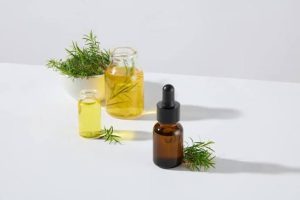
Overview: Known for its antiseptic and anti-inflammatory properties, tea tree oil kills acne-causing bacteria and soothes the skin.
Usage:
– Dilution: Mix one part tea tree oil with nine parts water.
– Application: Apply with a cotton swab to affected areas and leave for 15-20 minutes before rinsing.
– Frequency: Once or twice daily.
2. Honey and Cinnamon Mask;

Effective home remedies for skin acne
Overview: Honey’s antibacterial and healing properties combined with cinnamon’s anti-inflammatory effects help reduce acne.
Usage:
– Preparation: Mix two tablespoons of honey with one teaspoon of cinnamon.
– Application: Apply to face, leave for 10-15 minutes, and rinse with lukewarm water.
3. Aloe Vera Gel;
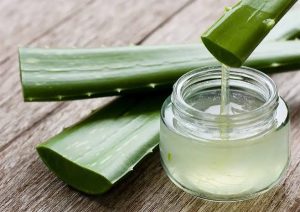
Effective home remedies for skin acne
Overview: Aloe vera soothes, heals, and reduces redness and inflammation.
Usage:
– Extraction: Apply fresh aloe vera gel to clean skin, leave overnight, and rinse in the morning.
4. Apple Cider Vinegar;
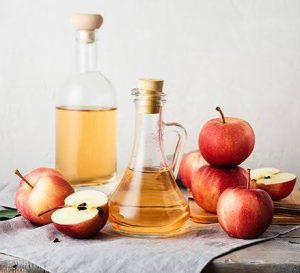
Overview: ACV contains organic acids that kill bacteria and exfoliate the skin.
Usage:
– Dilution: Mix one part ACV with three parts water.
– Application: Apply with a cotton ball, leave for 5-20 seconds, and rinse off.
– Frequency: Once or twice daily.
Summary
Reducing inflammation, eliminating germs, and clearing clogged pores are the main goals of effective home treatments for skin acne. Important treatments include applying green tea to lessen oil production, soothing redness with aloe vera, and treating spots with diluted tea tree oil.

Skin and detoxification. A useful technique for keeping skin vibrant and healthy is skin detoxification. You may get rid of toxins and pollutants and have brighter, younger-looking skin by eating a balanced diet, drinking plenty of water, and applying good skincare practices. Frequent detoxification promotes the general health and resilience of your skin in addition to improving its appearance. Accept these techniques and reap the rewards of a refreshed complexion.
SKIN AND DETOXIFICATION
The goal of skin detoxification is to rid the skin of toxins, pollutants, and impurities that build up as a result of lifestyle choices, environmental influences, and the body’s natural metabolic processes. This procedure can improve the skin’s overall health, look, and rejuvenation. Here is a thorough examination of the advantages of skin detoxification along with some practical ways to accomplish it.
Benefits of Skin Detoxification;

1. Clearer Skin: Detoxifying the skin can help reduce acne, blackheads, and other blemishes by removing excess oils, dirt, and toxins that clog pores. This leads to a clearer and more even complexion.
2. Improved Skin Tone: Regular detoxification can enhance the skin’s natural glow by promoting better blood circulation and removing dead skin cells. This results in a more radiant and youthful appearance.
3. Enhanced Skin Elasticity: Detoxifying the skin can help maintain and improve its elasticity. By removing harmful substances, the skin can better absorb essential nutrients and retain moisture, reducing the appearance of fine lines and wrinkles.
4. Reduced Inflammation:

Many skin conditions, such as eczema and psoriasis, are aggravated by inflammation. Detoxification helps to reduce inflammation, soothe irritated skin, and promote healing.
5. Better Absorption of Skincare Products: Detoxified skin is more receptive to the active ingredients in skincare products. This means that your serums, moisturizers, and treatments will be more effective.
Effective Methods;
1. Healthy Diet: Nutrition plays a crucial role in skin health. Consuming a diet rich in antioxidants, vitamins, and minerals can help detoxify the skin from the inside out. Foods like leafy greens, berries, nuts, and fatty fish provide essential nutrients that support skin detoxification.
2. Hydration:

Drinking plenty of water helps flush out toxins from the body and keeps the skin hydrated. Proper hydration is essential for maintaining the skin’s elasticity and preventing dryness.
3. Dry Brushing: This technique involves using a natural bristle brush to exfoliate the skin. Dry brushing helps remove dead skin cells, improve blood circulation, and stimulate lymphatic drainage, which aids in detoxification.
4. Facial Masks: Clay masks, charcoal masks, and other detoxifying facial masks can draw out impurities from the skin. Ingredients like bentonite clay and activated charcoal are particularly effective at absorbing toxins and excess oils.
5. Regular Exfoliation:

Skin and detoxification
Exfoliating the skin regularly helps to remove dead skin cells and unclog pores. Using gentle exfoliants like alpha hydroxy acids (AHAs) or beta hydroxy acids (BHAs) can promote cell turnover and keep the skin smooth and clear.
6. Steam Therapy: Facial steaming opens up the pores, making it easier to cleanse the skin deeply. Adding essential oils like tea tree or eucalyptus to the steam can enhance its detoxifying effects.
7. Exercise: Regular physical activity increases blood circulation and promotes sweating, which helps to expel toxins through the skin. Exercise also supports overall health, which is reflected in the skin’s appearance.

Skin and detoxification
Using a consistent skincare routine with products that suit your skin type is essential. Cleansers, toners, serums, and moisturizers with detoxifying ingredients like green tea, niacinamide, and vitamin C can help maintain skin health.
Summary
From a medical perspective, your liver and kidneys are responsible for “detoxing” organs and eliminating toxins from your body, not your skin. Rather, a “skin detox” entails removing dead cells, extra sebum, and trapped dirt from your skin’s surface while shielding it from outside contaminants.
Foods Rich in Zinc

Appetite Enhancement Tips

Nutritional Value of Rolled Oats

A Step-by-Step Guide to Deleting Reels on Instagram

A Comprehensive Guide to Setting Up a YouTube Premiere

How to Create a WhatsApp Group
-

 Health4 weeks ago
Harmful side effects of earphones
-

 Self esteem4 weeks ago
Tips for self esteem improvement
-

 Exercise4 weeks ago
Regular physical activities importance
-

 Business3 weeks ago
Local business promotion
-

 Health4 weeks ago
Headphones safety tips
-

 Entertainment3 weeks ago
Women and British dance music
Pingback: Glycerin what it is - SimplExplainer
Pingback: Key Benefits of Glycerin - SimplExplainer