work
Tips for a Productive Workday


Tips for a productive workday. Effective time management is a crucial professional skill to master. You can prioritize your projects, finish work on time, and update coworkers and superiors on your progress by keeping your daily duties organized. In the end, having excellent time management abilities can help you achieve important objectives and grow in your profession. Establish clear objectives, focus on high-impact tasks by finishing them first, and use time-blocking or strategies like the Pomodoro Technique to organize your day for an effective workday.
TIPS FOR A PRODUCTIVE WORKDAY
Avoid multitasking, keep your workstation tidy, and concentrate on one activity at a time to reduce distractions. Finally, to improve your energy and focus, take regular pauses, consume a nutritious diet, and get adequate sleep. In today’s fast-paced work environment, maximizing productivity is essential for achieving success and maintaining a healthy work-life balance. By implementing effective strategies and habits, you can make the most of your time and energy, leading to greater efficiency and satisfaction in your work. Here are some key things you can do to improve your productivity and have a more successful day at work:
Things to do;
1. Start with a Clear Plan
2. Minimize Distractions

TIPS FOR A PRODUCTIVE WORKDAY
Identify potential distractions in your work environment and take steps to minimize them. This may include turning off notifications on your phone or computer, closing unnecessary tabs or applications, and finding a quiet workspace where you can concentrate without interruption.
3. Break Tasks into Manageable Chunks
Break down larger tasks into smaller, more manageable chunks. This makes them feel less overwhelming and allows you to focus on one task at a time, increasing your productivity and reducing procrastination.
4. Utilize Time Blocking

Time blocking involves scheduling specific blocks of time for different tasks or activities throughout your day. By allocating dedicated time slots for focused work, meetings, and breaks, you can better manage your time and ensure that important tasks are completed efficiently.
5. Take Regular Breaks
Incorporate regular breaks into your workday to rest and recharge. Short breaks between tasks or periods of focused work can help prevent burnout, improve concentration, and boost overall productivity. Use breaks to stretch, take a walk, or engage in relaxation techniques such as deep breathing or mindfulness exercises.
6. Stay Organized

Keep your workspace clean and organized to minimize clutter and reduce distractions. Use tools such as folders, labels, and digital storage systems to manage documents and information efficiently. A tidy workspace promotes focus and productivity, allowing you to work more effectively.
7. Set Realistic Goals
Set achievable goals for yourself each day, taking into account your workload, deadlines, and priorities. Break larger goals down into smaller, actionable steps, and celebrate your progress as you accomplish them. Setting realistic goals helps you stay motivated and focused on what matters most.
8. Prioritize Self-Care

Prioritize your physical and mental well-being to ensure sustained productivity throughout the day. Get enough sleep, eat nutritious meals, and stay hydrated to fuel your body and mind. Incorporate exercise, mindfulness practices, or hobbies into your routine to reduce stress and maintain balance.
Summary
By incorporating these strategies into your daily routine, you can improve your productivity and have a more successful and fulfilling day at work. Remember that productivity is not about working harder, but working smarter and optimizing your time and energy for maximum effectiveness. With intentionality and consistency, you can achieve your goals and thrive in your professional endeavors. Read more insightful articles here.





Work and family. In order to purposefully combine work and family obligations, you must set clear boundaries, prioritize tasks according to your values, communicate your needs to both your employer and your family, use time management tools like calendars and routines, and maintain a focused presence in your role. To prevent burnout, important tactics include making a timetable, being adaptable, taking pauses, communicating honestly, limiting after-hours work, and placing a high priority on self-care. This involves understanding when to devote oneself to work and when to spend time with hobbies or loved ones. Understanding this equilibrium can assist you in reaching it and potentially make your weeks more proactive and joyful.
WORK AND FAMILY
The term “work and family” refers to the vital, frequently difficult relationship between professional obligations and personal/family life. Finding a healthy balance is essential for wellbeing and involves techniques like establishing boundaries, communicating clearly with employers and family, setting priorities, and utilizing workplace flexibility to manage conflicting demands and avoid conflict. Finding balance between work and family. In order to succeed professionally and maintain a high standard of living, professionals must strike a balance between work and family.
1. Limit unnecessary activities;

Even though you may not be aware of it, it can be tempting to spend more time on less productive activities, such checking your personal email, social media, and the internet. Examine your daily routine to identify the least productive activities so that you can better allocate your work time.
2. Develop your ability to say “no”;
Having to say “no,” particularly to your employer or supervisor, can be difficult. Your work-life balance, however, may depend on knowing when to say it. When you consistently say “yes” to tasks or projects, you can begin to feel overburdened by your growing workload, which could lead to stress and decreased productivity.
3. Draw lines and disconnect;

Modern technology has made it possible for workers to stay in touch with their job via computers and mobile devices. Although this enables businesses to provide flexible work schedules.
4. Examine your timetable;

Work and family
Having adequate time in your calendar for both work and life is essential to enhancing your work-life balance. Review your schedule and ensure that you have adequate time to fulfill your work commitments and recover.
5. Express what you require The secret to striking a work-life balance is to communicate openly with your manager. Communicate your demands to your manager if you’re having trouble juggling work and personal obligations.

Work and family
6. Identify the fundamental values Finding your life’s priorities is the first step in establishing your fundamental values. Finding a balance between your career and family life may be simpler if you know what you want and enjoy the most.
Summary
A family, which comes from the Latin Familia, is a collection of individuals who are either connected by affinity (marriage or other link) or consanguinity (recognized birth). It is the cornerstone of social order. Families should ideally provide security, consistency, and structure as their members grow up and learn how to engage with the community. The majority of human societies have historically relied on families for socialization, bonding, and nurturing.


Typing speed and meetings. Since it facilitates effective note-taking and involvement, a good typing speed is essential for attaining productivity goals. The average speed is about 40 WPM, while greater rates are advantageous for professional positions. Focus on touch typing, good posture, and keyboard shortcuts to raise your typing speed for meetings. You should also practice the use of abbreviations and realistic goal-setting on a regular basis to boost productivity without compromising accuracy.
TYPING SPEED AND MEETINGS
It’s easy to see how typing more quickly can help you write memos and papers more quickly, save time at work and in your personal life, take notes more easily during meetings, and even become a marketable skill. Increasing your typing speed can be a valuable skill set that will help you advance in many ways. For example, many industries, like office work and transcribing, may require or require a specific typing speed from their employees.
1. Test your typing speed;

TYPING SPEED AND MEETINGS
What you are unable to measure, you cannot improve. It also holds true for typing. Check your typing speed to see where you stand right now.
You may assess your typing accuracy and speed using websites like 10FastFingers.com and TypingTest.com. You may take a timed test on these websites by typing a passage.
Your findings will show you how many words you type in a minute (WPM) and how many mistakes you make (your accuracy) when you’ve finished typing.
2. Use proper posture and ergonomics;
Your posture and ergonomics play a hugely underestimated role in determining how quickly you type. Your physique and typing skills can be negatively impacted by hunching over the keyboard or sitting in an uncomfortable position.
3. Use more than two fingers;
TYPING SPEED AND MEETINGS
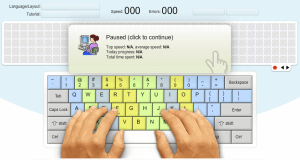
Do you still type with just two fingers? It’s time to get more hands-on experience and pick up touch typing. When you touch type, you can easily type with more than two fingers and not look at the keyboard. You can increase your typing speed and hit more keys by using multiple fingers
4. Aim to be more efficient, not faster;
When attempting to increase their typing speed, one typical error people do is to concentrate just on speed, ignoring other important aspects like readability, accuracy, and quality. This results in mistakes, subpar notes, and miscommunications.
5. Avoid distractions;

TYPING SPEED AND MEETINGS
6. Use keyboard shortcuts;
TYPING SPEED AND MEETINGS
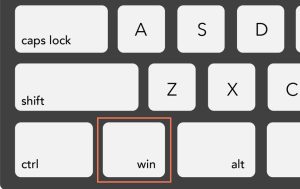
Reduce your reliance on the mouse in order to increase your typings speed. Even though you might not notice it, using a mouse slows you down. You’ll need to become familiar with keyboard shortcuts in order to prevent this. They make tasks like copying, pasting, deleting, changing, and switching between apps quick and simple.
- Ctrl + C: Copy
- Ctrl + V: Paste
- Ctrl + X: Cut
- Ctrl + Z: Undo
- Ctrl + Y: Redo
- Ctrl + F: Find
- Ctrl + B: Bold
- Ctrl + I: Italic
Summary
This implies that if you are taking notes at a meeting in a hurry, you are likely to fall behind and overlook crucial information, make mistakes, or even lose focus of the conversation.

How to avoid mistakes at work. Success can be fostered by professionals in any business who approach their work with organization and attention to detail. You may better fulfill expectations and overcome obstacles in your career by making deliberate decisions when managing your assignments and reviewing your work. In this post, we list instances of thoughtless errors made in the workplace and provide a detailed how-to for preventing them.
HOW TO AVOID WORK MISTAKES
It is crucial to avoid making casual mistakes at work in any professional situation.These errors can have far-reaching effects on a team’s performance as a whole, individual productivity, reputation, and even long-term career advancement. In addition to improving our own professional standing, we also help the company as a whole succeed and function more effectively when we work hard to reduce errors and maintain a high degree of accuracy and attention to detail.
The Importance of Avoiding Mistakes at Work

HOW TO AVOID WORK MISTAKES
It first guarantees the caliber of the output of work. We increase client happiness and confidence by delivering high-quality results that match or beyond expectations while minimizing errors. This may result in higher customer retention and fruitful recommendations, which will boost the company’s general performance and earnings. Secondly, keeping productivity at work requires avoiding mistakes. When mistakes are made, a lot of time and money are lost trying to fix them. These setbacks can impede target achievement, cause delays in project schedules, and disturb workflow.
Tips on How to Avoid Careless Mistakes at Work
It’s crucial to pay attention to details and double-check your work before submitting it if you want to prevent thoughtless errors at work. The following useful advice can assist you in forming this habit:
1. Review your work carefully;

HOW TO AVOID WORK MISTAKES
Examine your work carefully, taking note of spelling, grammar, formatting, and any special demands or instructions. Verify the computations, facts, and numbers one more time for accuracy.
2. Use proofreading tools;

HOW TO AVOID WORK MISTAKES
Utilize technology to your advantage by using proofreading software or spell and grammar checkers. With the use of these tools, you can find and fix mistakes that might have escaped your first inspection.
3. Seek feedback;
Never be afraid to seek criticism on your work from a supervisor or a reliable coworker. They might offer insightful commentary and point out errors you might have missed.
4. Take Breaks and Manage Stress Effectively

Careless errors at work might be attributed to stress and burnout. Here are some pointers to assist you in properly managing stress and taking breaks:
i) Schedule regular breaks
ii) Prioritize self-care
iii) Practice stress management techniques:
iv) Set boundaries
Prioritize Tasks and Manage Your Time Wisely
Determine the critical and urgent tasks: Ascertain which jobs are essential for your projects or deadlines and which ones need to be completed right now. Set them in order of importance to make sure you give them enough time and attention
Employ productivity strategies: Learn how to be more productive by using strategies like time blocking, the Pomodoro Technique, and the Eisenhower Matrix. You may efficiently manage your time and maintain concentration on the most crucial tasks by using these techniques.
Use Checklists and Task Management Tools
i) Create checklists
ii) Review and update checklists regularly
iii) Collaborate using task management tools
Seek Clarification and Ask Questions When in Doubt
It’s critical to ask questions when you’re unclear and seek clarification in order to prevent blunders brought on by misconceptions or assumptions.
Summary
Double-checking your work is crucial, regardless of the kind of task you’re working on. Make a commitment to reading, scanning, and studying everything again before turning in your work or moving on to next assignment. The quality of your work can be greatly improved by taking the time to make sure that it is free of mistakes and inaccuracies.

Earth Frozen Frontiers

Natural Majestic Wonders

Daily Life Hacks

A Step-by-Step Guide to Deleting Reels on Instagram

A Comprehensive Guide to Setting Up a YouTube Premiere