
tooth health
Treatment of Tooth Decay

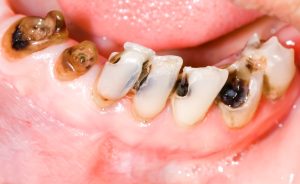
TREATMENT OF TOOTH DECAY
Treatment of tooth decay. While tooth decay can be treated in its early stages, its advanced stages can cause tooth loss and a number of other problems. Therefore, early detection of the issue, while the tooth is still salvageable, is the fundamental principle for treating tooth decay. Furthermore, lifestyle changes can be made to stop additional deterioration. When decay has progressed to the point where cavities have formed, the tooth may be set with a crown or filled with a filling.
TREATMENT OF TOOTH DECAY
A root canal procedure is advised when the exposed inner nerves are causing excruciating pain. It might be necessary to have a severely damaged tooth extracted or operated on. When oral bacteria produce acids that target the tooth’s surface enamel, tooth decay starts. This may result in a cavity, which is a tiny hole in a tooth. Pain, infection, and even tooth loss may result from untreated dental decay.
Prevention
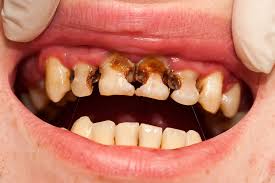
In addition to being one of the most prevalent diseases affecting both adults and children globally, tooth decay is also one of the easiest to avoid. The following are a few ways to avoid tooth decay: Keeping your mouth clean Fluoride toothpaste should be used to brush teeth twice a day, once in the morning and once before bed. Brushing should be done at least half an hour after eating, particularly if the meal was high in carbohydrates and sugar. It is important to brush your teeth thoroughly, touching all of their surfaces. It is not advised to rinse your mouth after brushing because this removes the fluoride from the paste.
Other Prevention;
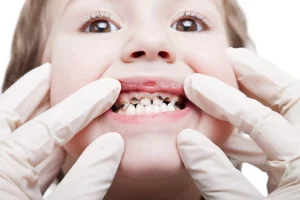
Mouthwash Fluoride-containing mouthwashes in particular can help prevent tooth decay. To maintain the fluoride on all of the teeth, the mouth should not be rinsed right away after using mouthwash. Lifestyle and nutrition For instance, eating too many sugary foods, carbonated beverages, and chocolates can hasten tooth decay. Tooth decay is also linked to smoking. Tooth decay can be avoided with proper oral hygiene, diet, and lifestyle modifications. Frequent dental examinations Every two years, adults should have at least one dental examination. Younger children benefit from checkups every four to six months, while those under the age of eighteen require annual checkups.
Treatment
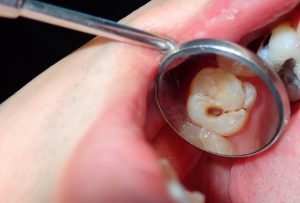
One of the best strategies to stop and slow the progression of tooth decay is to apply fluoride in the early stages of the condition. Fluoride is frequently added to toothpastes and is found naturally in tea, some foods, and some fish. One of the best sources of fluoride is found in toothpastes that contain synthetic fluoride. Cavity filling: Dental fillings can be used when cavities develop in the enamel without compromising the tooth’s inner pulp. The tooth’s natural enamel is substituted by the filling. It can be composed of a tooth-colored composite or amalgam, which is silver in color. Dental cement is used to seal the filling onto the tooth.
More Treatment;
Artificial tooth crowns: Installing an artificial tooth crown is an additional technique for treating cavities in teeth. A crown shaped like the original tooth is placed over the remaining tooth after the decayed portion is drilled out. This crown is affixed to the tooth using dental cement and can be composed of porcelain, ceramic, gold, or glass. One of the last options to preserve the tooth is a root canal. When the tooth’s inner pulp, which contains the nerves and blood vessels, becomes damaged and becomes extremely painful when exposed to hot or cold food or liquids, root canal therapy is recommended. An artificial pulp is used in place of the pulp during root canal therapy.
Summary
Failure to treat dental decay can result in additional problems with the mouth and teeth. Some treatments, however, can aid in halting or preventing the spread of dental decay. This article discusses how to prevent tooth decay and how to treat it.
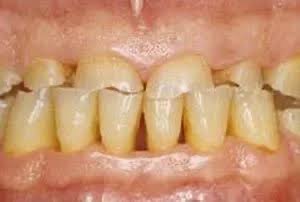

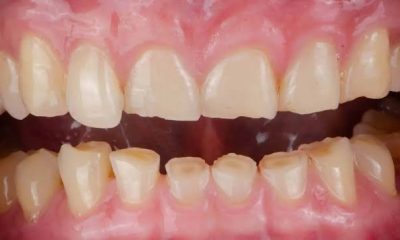






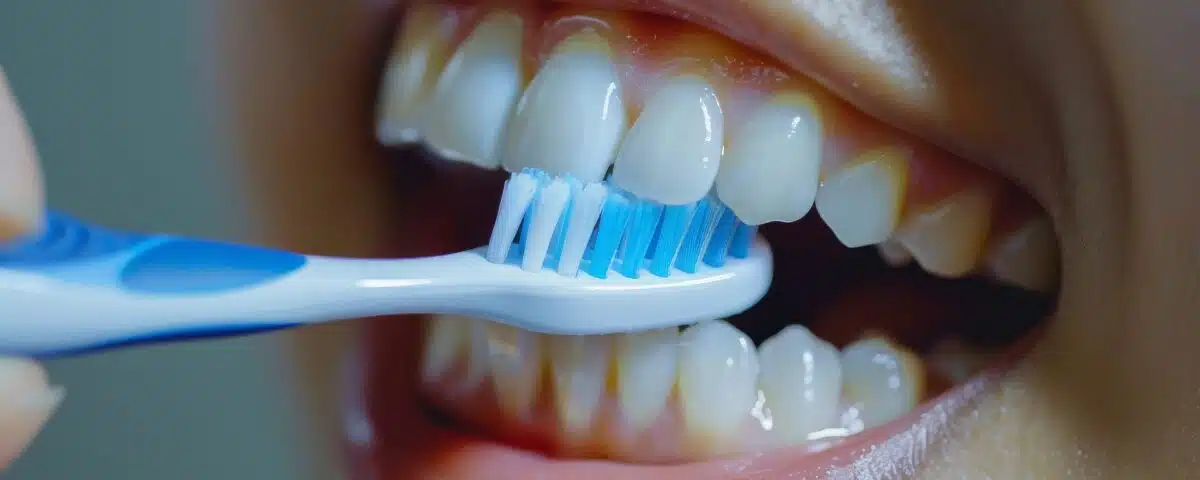
Essence of brushing your teeth. The main functions of teeth, which are hard, calcified structures found in the jaws of many animals and humans, are to bite, tear, and chew food. Additionally, they are essential for facial form and word pronunciation.
ESSENCE OF BRUSHING YOUR TEETH
Use a soft-bristled toothbrush and fluoride toothpaste to clean your teeth twice a day for two full minutes. Make care to clean the outer, inner, and chewing surfaces of each tooth as well as your tongue by gently brushing in small circular strokes with the bristles angled at a 45-degree angle toward your gums.
1. Save money;

It is less expensive to prevent than to treat. Maintaining your teeth and gums on a daily basis might help you avoid future issues and save money on dental care.
2. Fresh Breath;
If you don’t frequently clean your mouth, it will eventually start to smell. You clean your mouth at least once a day and remove the waste every night.
3. Prevent gum disease;
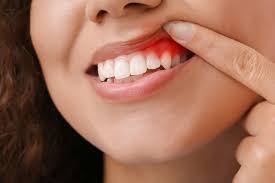
Plaque accumulation around your teeth can result in gingivitis, which is an inflammation of the gums and the initial stage of gum disease. This condition causes your teeth to bleed when you brush them. Everybody gets plaque, which is a buildup of food particles and germ in the mouth.
4. Prevent or minimise Diabetes;
Any gum condition can impede your ability to regulate your blood suger levels. Diabetes and severe gum disease are correlated in both directions. Not only are diabetics more likely to develop severe gum disease, but gum disease may also regulation and accelerate the development of diabetes.
5. Have a healthy baby;

Essence of brushing your teeth
It has been demonstrated that gum disease increases the risk of low birth weight and early birth. It may also be among the several reasons for impotence and delayed conception. Thus, take care of your gums and mouth first.
6. Toothpaste;
The ideal approach to apply fluoride and other desensitizers is on your brush. Toothpaste containing fluoride integrates into the tooth’s surface to shield the enamel from the acid produced by plaque.
7. Remove stains;

Essence of brushing your teeth
Toothpaste contains moderate abrasives that help remove surface stains and debris. Calcium carbonate, dehydrated silica gels, magnesium carbonate, hydrated aluminum oxides, phosphate salts and silicates are few examples. Brushing twice a day two minutes can literally save your life.
Summary
The main goals of brushing your teeth are to get rid of food particles and stop plaque, a sticky layer of bacteria that erodes enamel and creates acid. Regular brushing keeps your mouth healthy, stops gum disease and painful cavities, and gets rid of bacteria that cause bad breath.
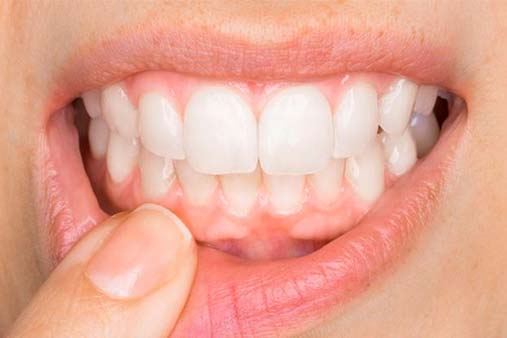
Healthy teeth and gums. A regular daily regimen focused on eliminating bacteria and plaque is necessary to maintain healthy gums and teeth. Flossing every day to clean in between teeth, avoiding sugary foods, brushing twice a day with fluoride toothpaste, and scheduling routine professional cleanings are all important habits.
HEALTHY TEETH AND GUMS
Healthy gums fit tightly around your teeth, are firm and light pink (depending on natural color), and don’t bleed when you brush or floss. Maintaining them calls for consistent expert care, a healthy lifestyle, and everyday dental hygiene.
Maintaining healthy teeth and gums requires practicing good oral hygiene. It entails routine dental checkups and brushing twice a day, among other practices.
The following are some best practices that can keep teeth and gums healthy..
1. Brush regularly;
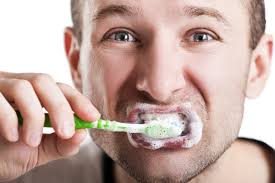
Most people know that one of the most crucial habits for keeping teeth clean and free of plaque and bacteria is brushing twice a day Brushing, though,might only work if people apply the right technique. Brushing should be done in small circular strokes, being careful to brush each tooth’s top, rear, and front. Two to three minutes are needed for this process. Its best to refrain from sawing back and forth
2. Floss once a day ;
Plaque and bacteria that a toothbrush cannot reach between teeth can be removed by flossing. By clearing food particles and debris that have lodged between teeth, it can also aid in the prevention of bad breath.
Most dental health professionals recommend gently pushing the floss all the way down to the gumline before hugging the side of the tooth with up-and-down motions. It is important to avoid snapping the floss up and down between the teeth, which can cause pain and will not remove plaque as effectively.
3. See a dentist regularly;
It is advised by experts that people get checked out by a dentist every six months. A hygienist will clean the teeth and remove plaque and hardened tartar during a normal dental examination. The dentist will look for outward indicators of oral health problems such as gum disease, cavities, mouth cancer, and others. Oral X-rays are another tool they occasionally might use to look for cavities.
4. Do not smoke;

Healthy teeth and gums
The immune system is weakened by smoking, which makes it more difficult for the body to repair tissues, including oral tissues. The ADA cautions that smokers may have delayed healing following dental work, and the CDC lists smoking as a risk factor for gum diseaseTrusted Source. Smoking also taints the mouth’s look by yellowing the tongue and teeth and producing an unpleasant breath odor.
5. Drink water;

Healthy teeth and gums
The main source of added sugars is beverages that have been sweetened with sugar.Reliable Source regarding Americans’ normal diets. Consuming sugary beverages such as juice, soda, or other caloric drinks can increase the risk of cavities. The American Dental Association advises against consuming sugar-sweetened beverages during the day and to stick to small amounts of water or unsweetened tea.
Summary
A straightforward yet regular daily practice of cleaning, wise eating, and expert care are necessary to maintain healthy teeth and gums. By doing these things, you may safeguard your general health and avoid cavities, foul breath, and gum disease.
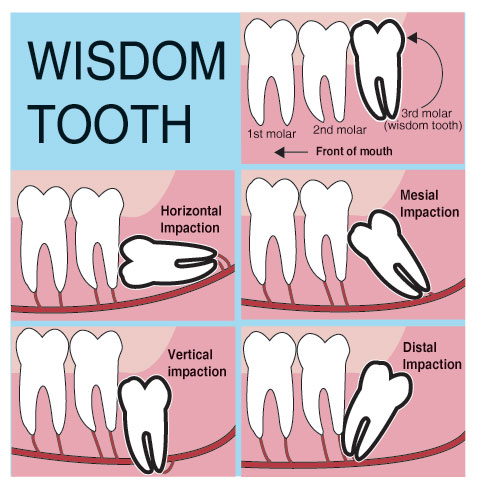
Wisdom teeth and growth processes. It’s crucial to remember that not everyone has symptoms when their wisdom teeth erupt. Some people may have wisdom teeth that have fully erupted without any pain or discomfort, while others may need treatment because of issues including crowding, impaction, or infection. X-rays and routine dental examinations can help track the growth and eruption of wisdom teeth and spot any possible problems early. See your dentist for appropriate assessment and treatment if you encounter any of the aforementioned symptoms.
WISDOM TEETH AND GROWTH PROCESSES
The last set of teeth to emerge in the human dentition are the third molars, commonly known as wisdom teeth. These teeth typically begin to erupt in late adolescence or early adulthood, usually between the ages of 17 and 25. While the signs and symptoms associated with the eruption of wisdom teeth can vary from person to person, there are several common signs to look out for:
1. Pain or Discomfort;

One of the most noticeable signs of wisdom tooth eruption is pain or discomfort in the back of the mouth. This discomfort may be intermittent or persistent and can range from mild to severe. It may be exacerbated by chewing, biting, or pressure on the affected area.
2. Swelling and Tenderness;
Swelling and tenderness in the gum tissue around the erupting wisdom teeth are common symptoms. The gum tissue may appear red, inflamed, and sensitive to touch. Swelling can contribute to difficulty in opening the mouth fully or discomfort when swallowing.
3. Gum Flap or Tissue Overgrowth;
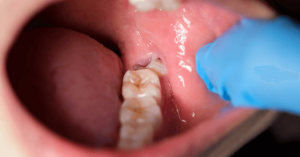
As wisdom teeth begin to emerge, a flap of gum tissue called an operculum may partially cover the tooth, creating a pocket where food particles and bacteria can become trapped. This can lead to inflammation, infection, and discomfort.
4. Difficulty Opening the Mouth;
In some cases, the eruption of wisdom teeth may cause stiffness or limited range of motion in the jaw, making it challenging to open the mouth fully. This symptom, known as trismus, can be due to inflammation of the surrounding tissues or pressure from the erupting teeth.
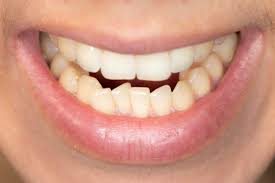
5. Crowding or Shifting of Teeth;
Wisdom teeth and growth processes
The presence of wisdom teeth can exert pressure on adjacent teeth, causing them to shift position or become crowded. This can lead to changes in dental alignment, bite irregularities, and increased risk of dental problems such as decay and gum disease.
6. Jaw Pain or Headaches
Discomfort associated with wisdom tooth eruption can radiate beyond the immediate area of the mouth, leading to jaw pain, headaches, and even ear pain. This referred pain may be intermittent or constant and can vary in intensity.
7. Bad Breath or Unpleasant Taste;

Wisdom teeth and growth processes
Accumulation of food debris, bacteria, and plaque around partially erupted wisdom teeth can contribute to bad breath (halitosis) or an unpleasant taste in the mouth. Proper oral hygiene practices, including thorough brushing and flossing, can help alleviate these symptoms.
Summary
The last set of teeth to erupt are wisdom teeth, which usually appear between the ages of 17 and 25. Although they were once utilized to chew difficult, uncooked meals, they serve no purpose today and frequently result in problems including crowding, impaction, or infection. To avoid harming neighboring teeth, they are frequently extracted.

Torchlight Selection

Best Practices for Face Exfoliation

Chemical Face Exfoliation

A Step-by-Step Guide to Deleting Reels on Instagram

A Comprehensive Guide to Setting Up a YouTube Premiere













Pingback: smoking and how it affects the teeth and gum