women
Women and Pink Color


WOMEN AND PINK COLOR
Women and pink color. Because of its historical marketing, which associated it with traditional femininity, tenderness, and nurturing attributes, pink has a strong relationship with women. Although it is now commonly thought of as a feminine color, many women wear it to defy these old prejudices since some contemporary interpretations view it as a means of expressing emotional strength, joy, or confidence.
WOMEN AND PINK COLOR
Pink, a color that has adorned holds a particular place in the hearts of many women, having been featured on fashion runways, on the walls of several houses, and in innumerable items. Pink has a rich tapestry of meaning and symbolism that goes beyond its visual appeal and speaks to women everywhere. In this piece, we explore the various connotations of pink for the majority of women.
1. Femininity Personified:

WOMEN AND PINK COLOR
Pink is often synonymous with femininity, embodying qualities such as gentleness, grace, and sensitivity. From childhood to adulthood, many women gravitate towards pink as a color that reflects their inner essence and outward expression of femininity.
2. A Symbol of Romance:
Soft shades of pink evoke feelings of romance, love, and affection. Whether it’s a bouquet of pink roses or a blush-colored sunset, pink has the power to stir emotions of warmth and intimacy. Its delicate hue symbolizes the tender bonds shared between partners and the sweetness of love’s embrace.
3. Nurturing and Maternal Instincts:

WOMEN AND PINK COLOR
4. Playfulness and Energy:
Brighter shades of pink exude a sense of playfulness, energy, and fun. From vibrant fuchsia to lively magenta, these bold hues infuse life into any space and add a touch of whimsy to fashion and design. Pink encourages women to embrace their playful side and approach life with enthusiasm and joy.
5. Optimism and Positivity:

Pink is also associated with optimism and positivity. Its uplifting hue can brighten moods and inspire feelings of hope and happiness. Whether it’s a pink sunrise painting the sky or a pink ribbon symbolizing breast cancer awareness. Pink serves as a beacon of light in times of darkness, reminding women to stay strong and resilient.
Summary
To sum up, pink has many different connotations for most women, ranging from romance and femininity to fun and care. It is a hue that appeals to ladies of all ages. acting as a representation of warmth, love, and hope in an ever promising world. Consider the complex meaning of the color pink and its significant influence on women’s lives worldwide the next time you see it.














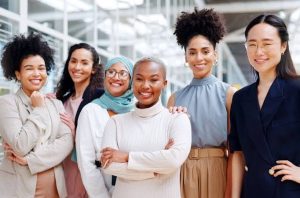
How to Empower Women. Empowering women requires granting them the freedom, power, and rights to run their own lives. This includes equal access to leadership roles, work, money, and education. Women’s success strengthens entire families and communities.
HOW TO EMPOWER WOMEN
Giving women equal rights, opportunities, and choices is essential to empowering them. This strengthens entire communities and aids women in leading fulfilling lives. Women can be empowered by daily acts that raise their voices, financial assistance, and education.
Focus;
1. Access to resources and financial freedom are two aspects of economic empowerment.
2. Social empowerment: Dispelling myths and social conventions.
3. Participation in decision-making processes: Political empowerment.
4. Educational empowerment: Having access to high-quality training and education.
5. Personal empowerment: Increasing self-assurance and self-worth.
Benefits:
1. Better well-being and health
2. Higher rates of economic expansion
3. Improved social justice
4. Less poverty
5. Advances equality between genders
Challenges:

1. Violence committed by women
2. Prejudice and discrimination
3. Inadequate access to healthcare and education
4. The use of objectification and stereotypes
5. Underrepresentation in positions of leadership
Overcoming Challenges;
Knowledge and Perception
Promoting awareness and education is essential to combating biases and misconceptions. Women are better equipped to handle the demands and obstacles of society when they possess the necessary knowledge and abilities.
Reforms in Advocacy and Policy
Promoting legislative changes that advance gender equality is crucial. To foster an atmosphere that supports women’s empowerment, governments, organizations, and communities must collaborate.
Attention and Institutionalization Are Needed

How to Empower Women
A concentrated effort must be undertaken at the systemic and community levels to enhance gender equality. Issues of gender and women’s empowerment demand not only attention but also institutionalization.
The need of a comprehensive strategy
Addressing the complex issues that women face requires a comprehensive program. An all-encompassing approach is required, from formulating plans and regulations to comprehending personal agency and limitations. Devoted efforts at all levels and a deep knowledge are necessary to overcome these obstacles.
Initiatives and Movements;
1. The hashtag #MeToo
2. Women’s March
3. UN Women
4. Girl Up
5. HeForShe
6. WEP (Women’s Empowerment Principles) 7. Microfinance initiatives
7. Initiatives for women’s education
Empowerment Strategies;

How to Empower Women
1. Mentoring initiatives
2. Possibilities for networking 2. Training in leadership
3. Obtaining funds and resources
4. Advocacy and policy reforms
How to support women’s empowerment:

How to Empower Women
1. Hear the voices of women
2. Question patriarchal standards
3. Encourage projects headed by women.
4. Give to groups that support the rights of women.
5. Encourage policy modifications
Summary
Giving women the capacity to manage their own lives, make informed decisions, and reach their full potential is the process of empowering them.

Leadership Roles for Women. The phrase “glass ceiling” refers to the subtle but significant barriers that prevent women from progressing in their careers. It symbolizes the gender disparities that remain in many businesses where skilled and capable women are employed.
LEADERSHIP ROLES FOR WOMEN
In today’s rapidly evolving world, women are also breaking through the glass ceiling and assuming significant leadership positions in a range of professions. Gender equality in leadership roles has come a long way, but there is still much to be done. This article explores the significant progress made by female CEOs, the persistent challenges they face, and the vital role they play in breaking the glass ceiling.

However, their roles in leadership. Women have battled against cultural prejudice and societal conventions for millennia to be acknowledged and granted equal rights in a variety of spheres of life. Women have achieved tremendous progress in the corporate sector, politics, entrepreneurship, and other domains in the past few decades, shattering the “glass ceiling” that has impeded their ability to assume leadership roles. From being an anomaly to a force for change, women in leadership roles are now defying stereotypes and changing the balance of power and influence.
Roles;;
Meanwhile, the diversity of perspectives that women bring is one of the main advantages of their presence. Women typically approach issues and challenges in different ways than men, and their viewpoints might reveal fresh approaches and opportunities that could have gone unnoticed.

Leadership Roles for Women
Furthermore, studies have indicated that businesses with a higher proportion of female leaders typically have higher levels of success and profitability. This is because women frequently have excellent interpersonal and teamwork abilities, which can support the development of strong teams and a favorable work atmosphere.
Roles;
Fighting against gender norms
Compassion
Different points of view

Leadership Roles for Women
Achieving communication and collaboration
promoting creativity
Adaptable work schedules
Summary
Approximately 3 out of 10 executive positions and 27% of board seats worldwide are held by women, although just 6% of them are CEOs. Diverse leadership improves financial performance, creativity, and governance despite underrepresentation. Women in leadership positions in the public, corporate, and nonprofit sectors greatly benefit organizations.
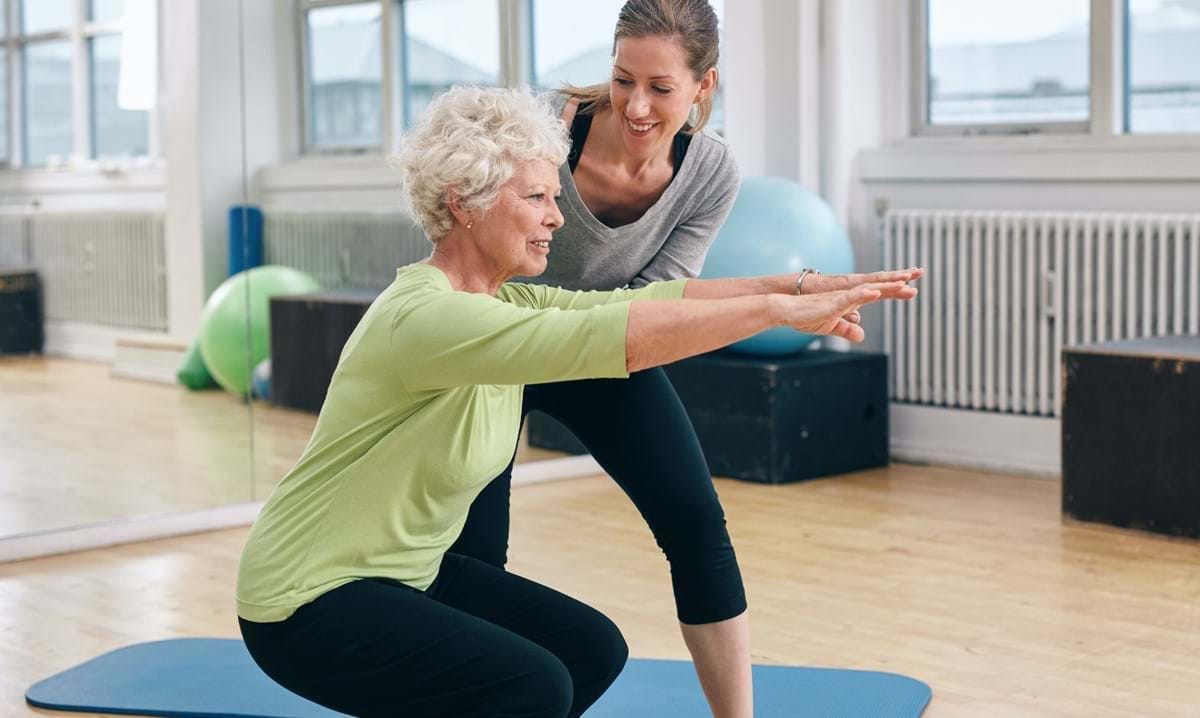
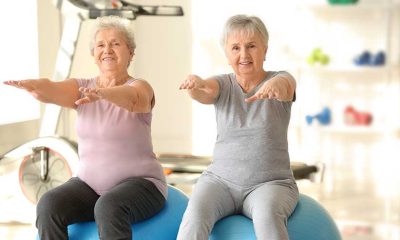
Exercise tips for aged women. Maintaining health and vitality as you age requires being active and making regular exercise a part of your routine. You can continue to be active, healthy, and independent far into old age by adhering to these five exercise recommendations: concentrating on low-impact activities, including strength training, giving balance and stability exercises priority, listening to your body, and being consistent and progressively increasing. Before beginning any new fitness regimen, always get medical advice, particularly if you have any pre-existing health issues or concerns.
EXERCISE TIPS FOR AGED WOMEN
As women age, maintaining a regular exercise routine becomes increasingly important for overall health and well-being. Regular physical activity can help older women maintain strength, flexibility, and mobility, while also reducing the risk of chronic diseases and improving mental health. Below are exercise tips specifically tailored to the needs of older women to help them stay active and healthy.
1. Focus on Low-Impact Activities;
Low-impact exercises are gentle on the joints and are ideal for older women who may have arthritis or other joint issues. Consider activities such as walking, swimming, cycling, or using an elliptical machine, which provide cardiovascular benefits without putting excessive strain on the joints. Low-impact exercises can help improve cardiovascular health, strengthen muscles, and improve overall fitness levels.
2. Incorporate Strength Training;
Strength training is essential for maintaining muscle mass and bone density, both of which tend to decline with age. Include strength training exercises in your routine at least two to three times per week, focusing on major muscle groups such as the legs, arms, back, and core. You can use resistance bands, dumbbells, or your body weight for resistance exercises such as squats, lunges, bicep curls, and plank.
3. Prioritize Balance and Stability Exercises;
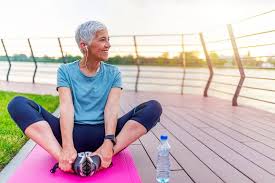
Exercise tips for aged women
Maintaining good balance and stability is crucial for preventing falls and maintaining independence as you age. Incorporate balance and stability exercises into your routine to improve coordination and reduce the risk of falls. Simple exercises such as standing on one leg, heel-to-toe walking, and practicing yoga or tai chi can help improve balance and stability over time.
4. Listen to Your Body;
As you age, it’s essential to listen to your body and pay attention to any signs of discomfort or pain during exercise. If you experience pain, dizziness, or shortness of breath, stop exercising and consult with a healthcare professional. Modify exercises as needed to accommodate any physical limitations or health conditions you may have, and always warm up and cool down properly before and after exercise to prevent injury.
5. Stay Consistent and Gradually Progress;

Exercise tips for aged women
Consistency is key when it comes to reaping the benefits of exercise. Aim for at least 150 minutes of moderate-intensity aerobic activity per week, along with strength training exercises on two or more days per week. Start slowly and gradually increase the intensity and duration of your workouts as your fitness level improves. Remember that progress may be slower than when you were younger, but staying consistent and patient will yield long-term benefits for your health and well-being.
Summary
Women who are 65 years of age or older are generally referred to as aged or elderly. Significant biological changes, such as menopause and brain remodeling, occur during this stage of life, but older women are also highly regarded for their profound wisdom, fortitude, and community leadership.

Torchlight Selection

Best Practices for Face Exfoliation

Chemical Face Exfoliation

A Step-by-Step Guide to Deleting Reels on Instagram

A Comprehensive Guide to Setting Up a YouTube Premiere