Health
Menstrual Changes



Menstrual changes. Speaking with a healthcare professional is essential if you’re dealing with ongoing or recurring menstrual delays. They can offer advice on how to manage your menstrual health and assist in determining any underlying causes. Keep in mind that each woman has a unique body, so what one person considers typical might not be for another. Prioritize your reproductive health, pay attention to your body, and follow your gut.
MENSTRUAL CHANGES
If you’re accustomed to a normal menstrual cycle, getting your period late can be concerning. Although pregnancy is frequently the first thing that springs to mind, there are many other reasons why menstruation may be delayed. Knowing these elements helps ease anxiety and give you a better understanding of your body’s particular requirements.
1. Pregnancy:

Let’s address the most common reason first. If you’re sexually active and your period is late, it’s essential to consider the possibility of pregnancy. Taking a pregnancy test can provide clarity and guide your next steps.
2. Stress:
Both emotional and physical stress can disrupt the delicate hormonal balance in your body, potentially leading to a delayed period. Whether it’s due to work pressures, relationship issues, or intense exercise regimes, stress can impact your menstrual cycle.
3. Weight Changes:
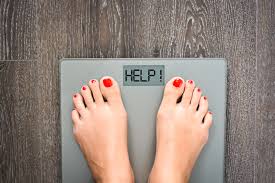
Significant fluctuations in weight, whether through dieting, weight gain, or weight loss, can affect hormone levels and disrupt your menstrual cycle. Extreme changes, such as those seen in eating disorders or rapid weight loss programs, can have a particularly pronounced effect.
4. Hormonal Imbalances:
Conditions like polycystic ovary syndrome or thyroid disorders can cause hormonal imbalances that result in irregular periods, including delays in menstruation. Hormonal contraceptives can also influence your cycle, potentially leading to late periods.
5. Medications:

MENSTRUAL CHANGES
Certain medications, including hormonal contraceptives, antidepressants, antipsychotics, and chemotherapy drugs, can interfere with your hormonal balance and affect your menstrual cycle. If you’ve recently started a new medication and notice changes in your period, consult your healthcare provider.
6. Menopause:
As women approach menopause, typically in their late 40s to early 50s, menstrual cycles may become irregular, leading to delayed periods. If you’re in this age group and experiencing changes in your menstrual cycle, it could be a sign of menopause.
7. Medical Conditions:

MENSTRUAL CHANGES
Conditions such as pelvic inflammatory disease (PID), endometriosis, or uterine fibroids can cause menstrual irregularities, including delayed menstruation. If you suspect an underlying medical condition, seek medical attention for proper diagnosis and treatment.
8. Travel:
Traveling across time zones or experiencing significant changes in routine can disrupt your body’s internal clock and affect hormone levels, potentially leading to delayed periods. While it’s usually temporary, it’s essential to be mindful of these changes if you’re prone to irregular periods.
9. Breastfeeding:

MENSTRUAL CHANGES
Exclusive breastfeeding can suppress ovulation and menstruation in some women, leading to delayed periods. This is a natural response by the body to conserve energy and support lactation.
Summary
Everybody has a different cycle, with menstrual bleeding occurring every 21 to 35 days and lasting 2 to 7 days. Long cycles are typical for the first few years after menstruation starts, but as people age, they tend to shorten and become more regular.
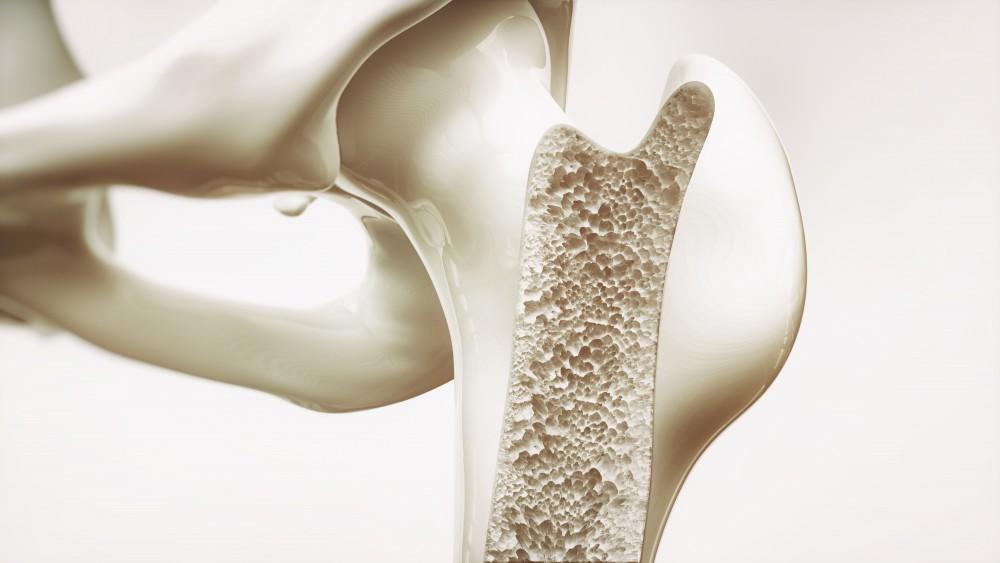
Tips for Bone Health. Including a range of physical activities in your routine is essential for maintaining bone health and avoiding disorders related to bones. Strong, healthy bones can be maintained throughout weight-bearing workouts, strength training, balance and flexibility exercises, and high-impact exercises. You may promote your skeletal health and general well-being by maintaining an active lifestyle and participating in bone-strengthening activities.
TIPS FOR BONE HEALTH
For general health and quality of life, maintaining strong and healthy bones is crucial. One of the best strategies to support bone health and lower the risk of diseases like osteoporosis is to engage in regular physical exercise. The following essential exercises can strengthen and support your bones:
1. Weight-Bearing Exercises;

Weight-bearing exercises, which involve working against gravity, are particularly beneficial for bone health. Activities such as walking, jogging, hiking, and dancing help stimulate bone formation and maintain bone density. These exercises apply stress to the bones, prompting them to become stronger and more resilient.
2. Resistance Training;
Resistance training, or strength training, involves using weights or resistance bands to build muscle strength. Exercises like weightlifting, squats, and lunges not only strengthen muscles but also help enhance bone density by stimulating bone-forming cells. Aim to include resistance training exercises in your routine at least twice a week.
3. Balance and Flexibility Exercises;

Tips for Bone Health
Incorporating balance and flexibility exercises into your routine can help prevent falls and fractures, which are particularly important as we age. Activities such as yoga and tai chi improve balance, coordination, and flexibility, reducing the risk of falls that can lead to bone injuries.
4. High-Impact Activities;
High-impact activities, like running and jumping exercises, promote bone health by increasing bone density and strength. These activities are particularly beneficial for younger individuals but should be approached with caution by older adults or those with existing bone conditions.
5. Daily Activities;

Tips for Bone Health
Even everyday activities can contribute to bone health. Gardening, carrying groceries, and playing sports like tennis or basketball incorporate weight-bearing and resistance elements that support bone strength.
Summary
Eat meals high in calcium and vitamin D, engage in weight-bearing activities, maintain a healthy body weight, and abstain from smoking and excessive alcohol consumption to maintain strong bones and reduce the risk of bone loss.
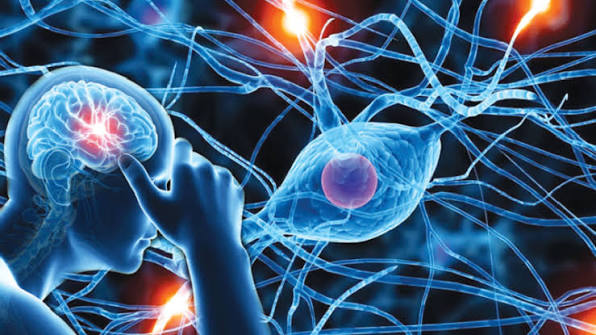
Analysis of Neurological Conditions. A wide variety of problems involving the brain, spinal cord, and nerves are referred to as neurological ailments. Numerous elements of body functions, such as mobility, sensation, cognition, and autonomic systems, might be affected by these diseases. It is essential to comprehend these disorders in order to diagnose, treat, and manage them effectively.
ANALYSIS OF NEUROLOGICAL CONDITIONS
Additionally, neurological illnesses accounted for 16.6 million disability-adjusted life years (DALYs), making them the primary cause of impairment in the country. Tension-type headache, migraine, and diabetic neuropathy were the most common disorders, demonstrating how frequently neurological symptoms appear in day-to-day life.
Types;
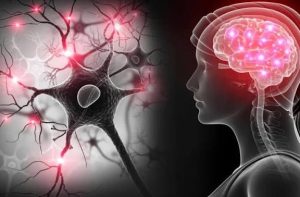
1. Stroke: A stroke occurs when blood flow to a part of the brain is interrupted, leading to brain cell damage. This can result in sudden loss of abilities such as speech, movement, or cognition, depending on the affected brain region.
2. Parkinson’s Disease: Parkinson’s disease is a progressive disorder characterized by tremors, rigidity, and bradykinesia (slowness of movement). It results from the degeneration of dopamine-producing neurons in the brain.
3. Multiple Sclerosis: MS is an autoimmune condition where the immune system attacks the protective covering of nerve fibers, leading to a wide range of symptoms including muscle weakness, vision problems, and difficulty with coordination.
4. Alzheimer’s Disease:

Alzheimer’s disease is a progressive neurodegenerative disorder that causes memory loss, cognitive decline, and changes in behavior. It is the most common form of dementia.
5. Epilepsy: Epilepsy is characterized by recurrent seizures caused by abnormal electrical activity in the brain. Seizures can vary from brief lapses in awareness to intense convulsions.
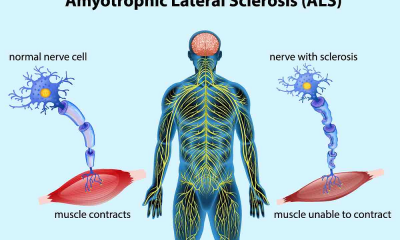
6. Amyotrophic Lateral Sclerosis: ALS, also known as Lou Gehrig’s disease, is a progressive neurodegenerative disease that affects motor neurons, leading to muscle weakness, paralysis, and ultimately, respiratory failure.
Symptoms and Diagnosis;
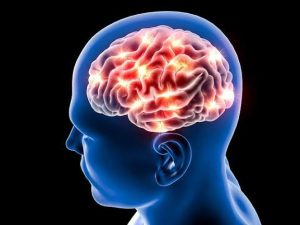
Neurological conditions present a diverse array of symptoms, including but not limited to:
– Motor Symptoms: Such as tremors, muscle weakness, or loss of coordination.
– Cognitive Symptoms: Including memory loss, difficulty concentrating, or impaired judgment.
– Sensory Symptoms: Like numbness, tingling, or altered sensations.
– Autonomic Symptoms: Affecting involuntary functions such as blood pressure regulation or digestion.
Diagnosing neurological conditions often involves a combination of medical history, physical examinations, and advanced diagnostic tools such as MRI, CT scans, and electroencephalograms (EEGs).
Treatment and Management;

Analysis of Neurological Conditions
Treatment for neurological conditions varies depending on the specific disorder but may include:
– Medications: To manage symptoms or slow disease progression.
– Physical Therapy: To improve movement, coordination, and strength.
– Occupational Therapy: To assist with daily activities and improve quality of life.
– Surgical Interventions:

Analysis of Neurological Conditions
In some cases, surgery may be necessary to address specific issues or alleviate symptoms.
Supportive care, including counseling and lifestyle modifications, is also important for managing the impact of neurological conditions on daily life.
Summary
Numerous facets of health and wellbeing are impacted by the complex and diverse range of neurological disorders. For those with these diseases, early identification and a multidisciplinary approach to therapy can greatly improve outcomes and quality of life.

Healthy Living Tips. At this extreme point, we began working from home, staying away from college, and avoiding social contact with as many people as we could. When we stay at home and only eat things that have been in our refrigerator or cupboard for a while, we are temporarily embracing a sedentary lifestyle. We are more likely to experience stress, anxiety, depression, overeating, and sitting as a result.
HEALTHY LIVING TIPS
In particular, many of us may gain weight during the pandemic and may not lose it, increasing our risk of developing type 2 diabetes, hypertension, heart attacks, strokes, and other conditions. Focusing on fundamental daily routines like eating balanced meals, exercising, and getting enough sleep makes leading a healthy lifestyle easy.
What is Healthy Living?

Everyone should lead a healthy lifestyle at every stage of life, including pregnancy. A healthy body and mind are the outcome of making decisions related to healthy living. Being well entails not being ill. In general, eating a balanced diet and getting regular exercise can help someone maintain a healthy lifestyle. The body needs nutrition in order to function correctly. Food contains proteins, carbs, fats, minerals, vitamins, and water among other nutrients. Fruits, vegetables, and whole grains are a few foods that are high in nutrients. High blood pressure, diabetes, obesity, and other health problems can result from a diet that either excludes too many good foods or contains too many bad ones
Healthy Tips;
1. Calculate and Monitor Your Weight;

Monitoring your body weight on a daily or weekly basis can enable you to observe any weight increase or loss.
2. Consume Healthy Meals and Minimize Junk Food;
Breakfast should always be had, and it should be a healthy meal with less fat, sugar, and calories and more protein and fiber. Please check out the following for more details on foods that help you lose weight and nutritional advice.
3. Consume multivitamin supplements;

Healthy Living Tips
It’s a good idea to take a daily multivitamin supplement to ensure you are getting enough nutrients, especially if you don’t have a variety of fruits and vegetables at home. health benefits.
Summary
Living a healthy lifestyle entails taking good care of your body and mind on a regular basis. It improves your mood, gives you more energy, and reduces your chance of developing chronic illness. Eating a healthy diet, exercising, drinking enough of water, and getting enough sleep are all important steps.

Earth Frozen Frontiers

Natural Majestic Wonders

Daily Life Hacks

A Step-by-Step Guide to Deleting Reels on Instagram

A Comprehensive Guide to Setting Up a YouTube Premiere