
Health
Tips for Maintaining Healthy Gorgeous Fingernails.


Healthy and well-groomed fingernails are not only a reflection of good personal hygiene but also contribute to an overall polished appearance. Taking care of your nails involves more than just the occasional manicure. In this article, we’ll explore essential tips to maintain healthy and beautiful fingernails.
1. Regular Trimming:
Trimming your nails regularly is fundamental to their health and appearance. Use a clean and sharp nail clipper or manicure scissors to cut them straight across. Avoid cutting too close to the skin to prevent ingrown nails, which can lead to discomfort and infections.

2. Proper Shaping:
Nail file
A gentle nail file is your ally in shaping your nails. File them in one direction to avoid causing splits or damage. Choose a shape that suits your preference, whether it’s square, round, oval, or almond. Consistent shaping helps prevent snagging and breakage.




3. Keep Nails Clean:
Cleanliness is crucial for maintaining healthy nails. Regularly wash your hands and nails with a mild soap to remove dirt and bacteria. Be thorough in cleaning under your nails, using a nail brush if necessary.

4. Moisturize Cuticles:
The cuticles play a vital role in protecting the nail matrix, where new nail cells form. Keep your cuticles moisturized with a nourishing cuticle oil or cream. Gently push back the cuticles after a shower when they are soft, using a cuticle pusher or the edge of a towel.

5. Avoid Biting Nails:
Breaking the habit of biting your nails is essential for both their appearance and overall health. Biting can lead to infections and damage the nail bed. Consider using a bitter-tasting nail polish or seeking alternatives like stress-relief techniques to break the habit.

6. Wear Gloves:
When engaging in activities that involve water or harsh chemicals, such as washing dishes or cleaning, wear protective gloves. Prolonged exposure to water and chemicals can weaken nails, making them more prone to breakage.

7. Maintain a Balanced Diet:
Nutrition plays a significant role in the health of your nails. Ensure your diet includes essential nutrients like biotin, vitamins A and E, and minerals like iron and zinc. Foods such as eggs, nuts, leafy greens, and lean proteins contribute to strong and healthy nails.

8. Hydrate:
Staying hydrated is beneficial for your overall health, including your nails. Drink an adequate amount of water to keep your nails and cuticles hydrated from the inside out.

Achieving and maintaining healthy fingernails requires consistent care and attention. By incorporating these tips into your regular routine, you can promote strong, beautiful nails that enhance your overall well-being and personal style.






Treatment Tips for Multiple Sclerosis. There is hope for more strong treatments and possibly even a cure thanks to ongoing research into the causes and management of multiple sclerosis. Better management of MS is being made possible by developments in our understanding of the immune system’s role in the disease as well as the creation of novel DMTs. Future treatments for multiple sclerosis may also benefit from initiatives to protect nerve cells and heal myelin loss.For the time being, increasing the quality of life for those with MS requires early diagnosis, efficient treatment, and all-encompassing care.
TREATMENT TIPS FOR MULTIPLE SCLEROSIS
Although the precise etiology of multiple sclerosis is unknown, a mix of genetic and environmental factors are thought to be responsible. A genetic predisposition is suggested by the increased risk in those with a family history of multiple sclerosis. An increased chance of developing multiple sclerosis has also been associated with environmental variables, including smoking, low levels of vitamin D, and infections, especially those caused by the Epstein-Barr virus.
Causes and Risk Factors;
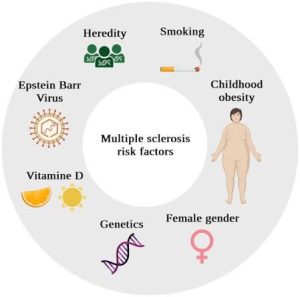
MS is more common in women than men, and it usually begins between the ages of 20 and 40. People living farther from the equator, where sunlight exposure (and consequently vitamin D levels) is lower, are also at a higher risk.
Types of MS and Symptoms;
MS presents in different forms, with the most common being Relapsing-Remitting MS (RRMS), characterized by periods of new or worsening symptoms (relapses) followed by periods of partial or complete recovery (remissions). Other forms include Primary Progressive MS (PPMS), where symptoms gradually worsen without relapses, and Secondary Progressive MS (SPMS), which can develop after an initial period of RRMS, with symptoms steadily worsening over time.
The symptoms of MS can vary widely, depending on the areas of the central nervous system affected. Common symptoms include:
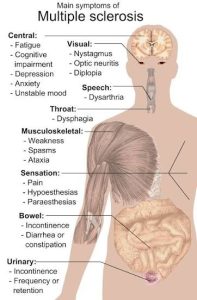
– Fatigue
– Numbness or tingling in the limbs
– Muscle weakness or spasms
– Difficulty with coordination and balance
– Vision problems, such as blurred or double vision
– Cognitive issues, including memory loss and difficulty concentrating
– Bladder and bowel dysfunction
The unpredictable nature of MS means that symptoms can fluctuate, making it difficult to predict how the disease will progress in any given individual.
Diagnosis and Treatment;
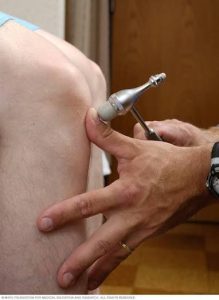
Treatment Tips for Multiple Sclerosis
Diagnosing MS involves a combination of clinical evaluation, MRI scans to detect brain and spinal cord lesions, and tests such as lumbar punctures to analyze cerebrospinal fluid. Blood tests may also be conducted to rule out other conditions that mimic MS symptoms.
While there is no cure for Multiple Sclerosis MS, several treatments can help manage the disease and reduce the frequency and severity of relapses. Disease-modifying therapies (DMTs), such as interferons and monoclonal antibodies. Can slow the progression of Multiple Sclerosis MS and reduce the accumulation of disability over time. Corticosteroids are often used to manage acute relapses, while various medications. And therapies can address specific symptoms like muscle spasms, fatigue, and depression.
Living with Multiple Sclerosis;

Treatment Tips for Multiple Sclerosis
Living with Multiple Sclerosis MS can be challenging, but many people with the condition lead active, fulfilling lives with the right support and management strategies. Regular physical activity, a balanced diet, stress management, and adequate rest are essential for maintaining overall health. Support from healthcare professionals, family, and MS support groups. Can also make a significant difference in managing the emotional and practical aspects of living with the disease.
Summary
The brain and spinal cord are part of the central nervous system, which is impacted by multiple sclerosis, a chronic autoimmune illness. Myelin, the protective covering of nerve fibers, is wrongly attacked by the immune system in multiple sclerosis (MS), resulting in inflammation and damage.
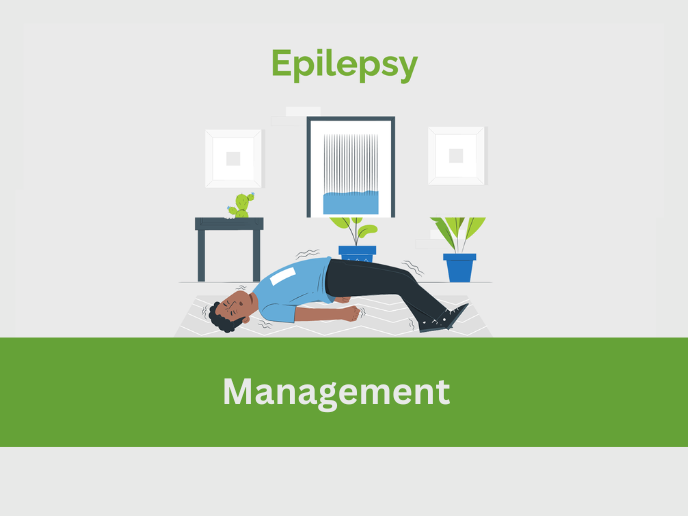
Epilepsy Management Tips. Recurrent, spontaneous seizures are the hallmark of epilepsy, a neurological condition. These seizures are caused by abrupt spikes in brain activity that interfere with normal nerve cell transmission. One of the most prevalent neurological disorders, epilepsy affects people of all ages and affects about 50 million people globally.
EPILEPSY MANAGEMENT TIPS
It might have a wide range of causes. Certain forms of epilepsy run in families, and the condition is sometimes associated with hereditary factors. Brain traumas, strokes, infections like encephalitis or meningitis, and developmental problems like autism are additional possible causes. However, the cause of epilepsy is still unknown in almost half of all instances.
Causes and Risk Factors;
Certain risk factors increase the likelihood of developing epilepsy, including age (children and older adults are more susceptible), a family history of the condition, previous brain injuries or infections, and underlying neurological conditions.
Types of Seizures;
Seizures are the hallmark of epilepsy, and they can vary significantly in severity and presentation. There are two main categories of seizures:
1. Focal Seizures: These begin in one specific area of the brain and can be further classified into focal aware seizures (where the person remains conscious) and focal impaired awareness seizures (where consciousness is altered).
2. Generalized Seizures:
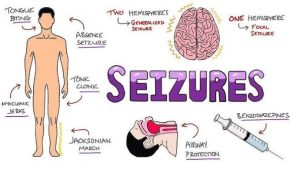
These involve the entire brain and include several subtypes, such as tonic-clonic seizures (formerly known as grand mal seizures), absence seizures, and myoclonic seizures.
Symptoms of seizures can range from brief lapses in attention or muscle jerks to severe convulsions and loss of consciousness. The type and frequency of seizures vary from person to person, making epilepsy a highly individualized condition.
Diagnosis and Treatment;
Diagnosing epilepsy typically involves a thorough medical history, neurological exams, and tests like electroencephalograms (EEGs) to measure brain activity during seizures. Imaging tests, such as MRIs or CT scans, may also be used to identify structural abnormalities in the brain.

Epilepsy Management Tips
While epilepsy cannot be cured, it can often be managed effectively with medication. Anti-seizure drugs, also known as antiepileptic drugs (AEDs), are the most common treatment and can help control seizures in most people. In cases where medication is not effective, other treatment options may include surgery, vagus nerve stimulation, or dietary therapies like the ketogenic diet.
Living with Epilepsy;
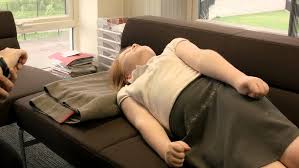
Epilepsy Management Tips
Living with epilepsy can present challenges, but many people with the condition lead full, active lives. Managing epilepsy often involves lifestyle adjustments, such as adhering to medication schedules, getting adequate sleep, managing stress, and avoiding known seizure triggers. Support from healthcare providers, family, and epilepsy support groups can also be crucial in helping individuals cope with the emotional and social aspects of the disorder.
Summary
Future developments in genetics, neuroimaging, and personalized medicine are opening the door to more focused and efficient therapies. As our knowledge of epilepsies expands, there is hope that new treatments will be developed, providing better seizure control and an enhanced quality of life for individuals with this complicated condition.
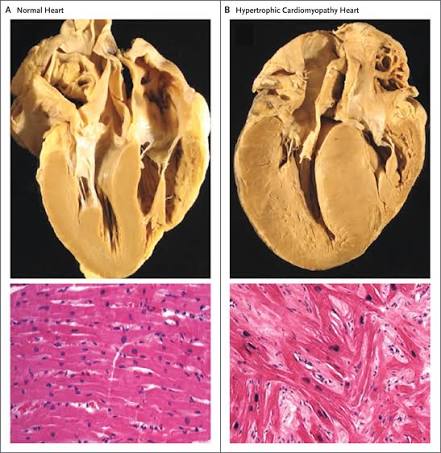
Risk Factors of Cardiomyopathy. A collection of conditions known as cardiomyopathy cause the heart muscle to weaken, thicken, or stiffen. Heart failure, arrhythmias, and other major consequences may arise from this illness, which reduces the heart’s capacity to pump blood efficiently. Cardiomyopathy can be inherited or acquired, and it can affect people of various ages.
RISK FACTORS OF CARDIOMYOPATHY
Reducing risk factors, such as blood pressure control, diabetes management, abstaining from excessive alcohol intake, and leading a healthy lifestyle, are the key goals of prevention. Results can be greatly improved by early detection through routine examinations, particularly for those with a family history.
Causes and Risk Factors;
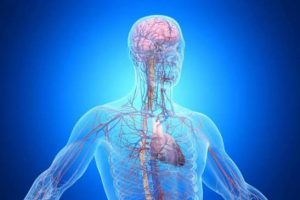
The causes of cardiomyopathy vary depending on the type, but they often include a combination of genetic, environmental, and lifestyle factors. Common causes and risk factors include:
– Genetic Mutations: Inherited forms of cardiomyopathy are caused by mutations in genes that affect the heart muscle’s structure and function.
– Chronic High Blood Pressure: Over time, high blood pressure can lead to thickening of the heart muscle (hypertrophic cardiomyopathy).
– Heart Valve Problems: Conditions that affect the heart valves can lead to cardiomyopathy.
– Chronic Alcohol Use: Long-term alcohol abuse can weaken the heart muscle (alcoholic cardiomyopathy).

– Viral Infections: Certain viruses can infect the heart muscle, leading to inflammation and weakening (viral cardiomyopathy).
– Nutritional Deficiencies: Lack of essential nutrients like vitamin B1 can cause cardiomyopathy.
– Chronic Conditions: Conditions such as diabetes, thyroid disorders, or autoimmune diseases can contribute to the development of cardiomyopathy.
Types of Cardiomyopathy;
There are several types of cardiomyopathy, each with different characteristics and implications:
1. Dilated Cardiomyopathy (DCM):
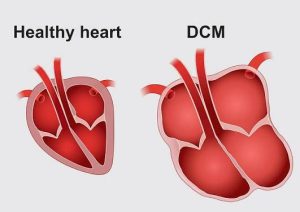
The most common type, characterized by an enlarged and weakened heart chamber, which impairs the heart’s ability to pump blood. DCM can be inherited or caused by factors like chronic alcohol use, infections, or exposure to toxins.
2. Hypertrophic Cardiomyopathy (HCM): This type involves the thickening of the heart muscle, particularly the walls of the left ventricle. HCM is often inherited and can lead to obstructed blood flow, arrhythmias, and sudden cardiac death, especially in young athletes.
3. Restrictive Cardiomyopathy (RCM): A less common form where the heart muscle becomes stiff and less flexible, limiting the heart’s ability to fill with blood between beats. RCM can result from conditions like amyloidosis or hemochromatosis, where abnormal proteins or iron deposits accumulate in the heart.
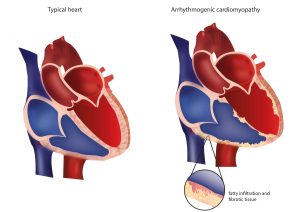
4. Arrhythmogenic Right Ventricular Cardiomyopathy:
Risk Factors of Cardiomyopathy
A rare, inherited type where the heart muscle is replaced by fatty or fibrous tissue, particularly in the right ventricle, leading to arrhythmias and an increased risk of sudden cardiac arrest.
Symptoms;
Symptoms of cardiomyopathy can vary widely depending on the type and severity of the condition. Common symptoms include:
– Shortness of breath, especially during exertion or while lying flat
– Fatigue and weakness
– Swelling in the legs, ankles, and feet (edema)
– Chest pain, especially after physical activity or a large meal
– Dizziness, lightheadedness, or fainting
– Irregular heartbeats (palpitations)
Treatment and Management;

Risk Factors of Cardiomyopathy
– Medications: To manage symptoms like high blood pressure, reduce fluid buildup, and prevent blood clots. Common drugs include beta-blockers, ACE inhibitors, diuretics, and anticoagulants.
– Lifestyle Changes: Patients are often advised to adopt a heart-healthy diet, maintain a healthy weight, avoid alcohol and tobacco, and manage stress.
– Implantable Devices: Devices like pacemakers, defibrillators, or left ventricular assist devices (LVADs) can help regulate the heart’s rhythm and support its function.
Summary
Depending on the kind and severity of the illness, as well as how soon it is identified and treated, the prognosis for those who have it varies.

Treatment Tips for Multiple Sclerosis

Treatment Tips for CAD

Epilepsy Management Tips

A Step-by-Step Guide to Deleting Reels on Instagram

A Comprehensive Guide to Setting Up a YouTube Premiere












Pingback: Common Diseases That Can Hide Under Fingernails - SimplExplainer
Pingback: Fingernails Diseases - SimplExplainer