Health
Long sightedness and short sightedness eye problems and solutions

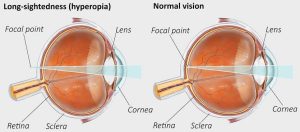
Long-sightedness, or hyperopia, occurs when light entering the eye focuses behind the retina instead of directly on it. Causes include:
1. Eyeball shape: If the eyeball is too short or the cornea has too little curvature, it can lead to hyperopia.
2. Aging: As people age, the lens of the eye becomes less flexible, making it harder to focus on close objects.
Remedies for long-sightedness include:
1. Prescription glasses or contact lenses: Corrective lenses can help focus light properly on the retina.
2. Refractive surgery: Procedures like LASIK can reshape the cornea to improve focus.
3. Lens implants: In some cases, an artificial lens can be implanted to replace the eye’s natural lens.
Consult with an eye care professional to determine the most suitable solution for your specific case of long-sightedness.
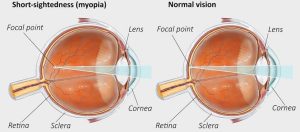
Short-sightedness, or myopia, occurs when the eyeball is too long or the cornea has too much curvature, causing light to focus in front of the retina. Causes and remedies include:
Causes:
1. Genetics: Myopia often runs in families.
2. Environmental factors: Prolonged close-up activities, like reading or computer use, can contribute.
3. Age: Myopia can develop or worsen during childhood and adolescence.
Remedies:
1. Prescription glasses or contact lenses: Concave lenses help focus light directly on the retina.
2. Refractive surgery: Procedures like LASIK reshape the cornea to correct myopia.
3. Orthokeratology (Ortho-K): Special contact lenses reshape the cornea overnight for temporary myopia correction.
4. Atropine eye drops: These drops, under professional guidance, may slow down myopia progression in some cases. 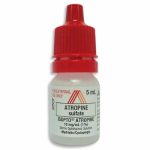
Regular eye exams are crucial to monitor changes in vision and determine appropriate corrective measures. Consult with an eye care professional for personalized advice.







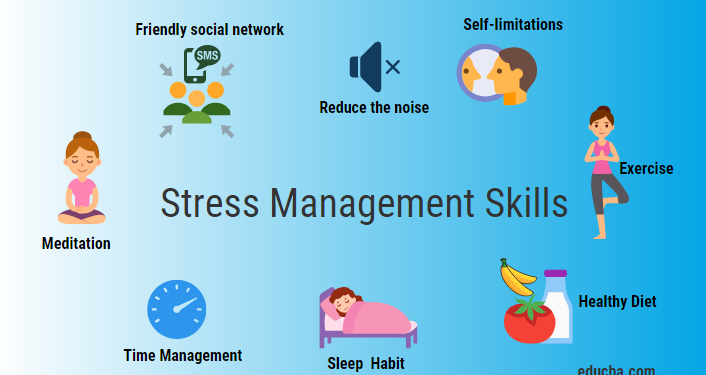
Techniques for stress management. Stress is the body’s normal physical and mental response to demands, difficulties, or unforeseen circumstances in life. It sets off a “fight-or-flight” reaction that releases cortisol and adrenaline. While brief spikes in stress might increase motivation, long-term stress overwhelms your system and needs to be actively managed. Understanding stress entails examining its various aspects, typical symptoms, and effective coping mechanisms.
TECHNIQUES FOR STRESS MANAGEMENT
Actionable physical, mental, and emotional strategies to reduce cortisol and interfere with the fight-or-flight response are part of stress management. Deep breathing, time management, regular exercise, and mindfulness are fundamental techniques. The majority of people find relief by incorporating multiple techniques into their everyday routines.
1. Mindfulness Meditation;

Mindfulness meditation involves bringing your attention to the present moment without judgment, allowing you to observe your thoughts, feelings, and bodily sensations with acceptance and openness. Regular practice of mindfulness meditation has been shown to reduce stress, anxiety, and depression while promoting relaxation and emotional well-being. Set aside time each day to practice mindfulness meditation, even if it’s just for a few minutes, and gradually increase the duration as you become more comfortable with the practice.
2. Deep Breathing Exercises;

Deep breathing exercises are a simple yet powerful way to activate the body’s relaxation response and reduce stress levels. Practice deep breathing by taking slow, deep breaths in through your nose, allowing your abdomen to expand fully, and then exhaling slowly through your mouth. Focus on the sensation of the breath as it enters and leaves your body, letting go of tension with each exhale. Incorporate deep breathing exercises into your daily routine, especially during times of heightened stress or tension.
3. Physical Activity;

Techniques for stress management
Regular physical activity is an effective way to combat stress and improve overall well-being. Exercise releases endorphins, the body’s natural mood-boosting chemicals, which can help reduce stress, anxiety, and depression. Find activities that you enjoy, whether it’s walking, jogging, swimming, yoga, or dancing, and make them a regular part of your routine. Aim for at least 30 minutes of moderate-intensity exercise most days of the week to reap the full benefits of physical activity for stress management.
4. Healthy Lifestyle Habits;

Techniques for stress management
Maintaining a healthy lifestyle can help buffer the effects of stress on the body and mind. Eat a balanced diet rich in fruits, vegetables, whole grains, lean proteins, and healthy fats to nourish your body and support optimal functioning. Prioritize regular sleep and aim for 7-9 hours of quality sleep each night to promote rest and rejuvenation. Limit consumption of caffeine, alcohol, and nicotine, as these substances can exacerbate stress and interfere with sleep quality.
5 . Time Management and Prioritization;
 .
.
Effective time management and prioritization skills can help reduce feelings of overwhelm and improve productivity, leading to decreased stress levels. Break tasks down into manageable steps, set realistic goals, and create a schedule or to-do list to help you stay organized and focused. Prioritize tasks based on urgency and importance, and delegate responsibilities when possible. Remember to schedule time for relaxation, leisure activities, and self-care to maintain balance and prevent burnout.
Summary
Reducing cortisol and calming your thoughts are practical, everyday strategies for effective stress management. Create a regimen that includes physical activity, mindfulness, deep breathing, and restful sleep. Use techniques like establishing boundaries and relying on your support network when you’re feeling overburdened.
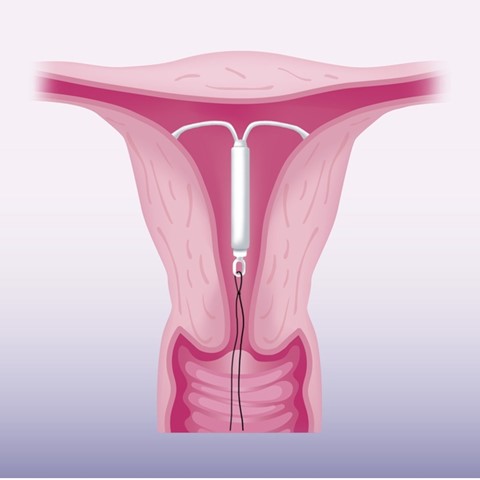
IUD side effects. Even though IUDs are a practical and efficient method of birth control, people can make better choices if they are aware of any possible negative consequences. To make sure the IUD is operating properly and to address any side effects, routine follow-ups with a healthcare practitioner are crucial. It is important to get medical help right once if any serious or worrisome symptoms appear.
IUD SIDE EFFECTS
A medical professional inserts an IUD (Intrauterine Device), a tiny, T-shaped, long-acting method of reversible birth control, into the uterus. Depending on the type, it can last for three to twelve years and is more than 99% efficient at preventing conception. Like any medical equipment or medication, intrauterine devices (IUDs) might have negative effects, but they are a very effective long-term form of contraception. These are five typical IUD side effects:
1. Irregular Bleeding and Spotting;

Description: Many women experience changes in their menstrual bleeding patterns after IUD insertion. Hormonal Intrauterine Devices (such as Mirena, Kyleena, and Liletta) can cause irregular bleeding and spotting, particularly in the first few months. Over time, periods may become lighter and less frequent, with some women experiencing amenorrhea (complete absence of periods). Copper IUDs (such as ParaGard) often cause heavier and longer periods with more intense menstrual cramps, especially initially
Management: These symptoms usually improve after the firt 3-6 months. If bleeding is severe or persistent, it’s important to consult a healthcare provider.
2. Cramping and Discomfort;
Description: Insertion of an IUD can cause cramping and discomfort, which may last for a few days to a few weeks. Some women may also experience cramping during their periods or at random times while the IUD is in place.
Management: Over-the-counter pain relievers such as ibuprofen can help manage cramping. If pain is severe or persists, it is advisable to seek medical advice.
3. Risk of Infection;
Description: There is a small risk of infection associated with the insertion process. This risk is highest within the first 20 days after insertion. The infection can occur if bacteria are introduced into the uterus during the procedure.
Management: Following proper aseptic techniques during insertion minimizes this risk. Symptoms of infection, such as fever, severe pain, or unusual discharge, should be promptly evaluated by a healthcare provider.
4. Expulsion;
iud side effects
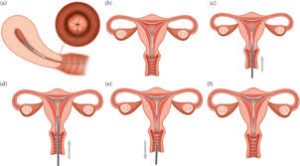
Description: The IUD can be partially or completely expelled from the uterus. This is more likely to occur in younger women, women who have never been pregnant, or shortly after childbirth or abortion. Expulsion can reduce the effectiveness of the IUD and may require re-insertion or a different contraceptive method.
Management: Regular self-checking of the IUD strings (as instructed by a healthcare provider) can help detect expulsion. If the IUD is expelled, it is important to use backup contraception and contact a healthcare provider.
5. Hormonal Side Effects;
iud side effects
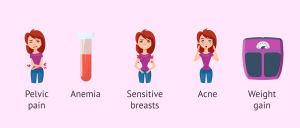
Description: Hormonal IUDs release levonorgestrel, which can cause side effects similar to those of other hormonal contraceptives. These may include:
– Acne
– Breast tenderness
– Mood changes, such as depression or irritability
– Headaches
– Nausea
Management: These side effects often improve over time as the body adjusts to the IUD. If side effects are bothersome or persistent, discussing alternatives with a healthcare provider is recommended.
Summary
The type of IUD has a significant impact on its negative effects. Headaches, mood swings, and irregular bleeding are common side effects of hormonal IUDs (such Mirena and Kyleena). Although hormone-free, copper IUDs (like Paragard) frequently exacerbate monthly cramps and bleeding.
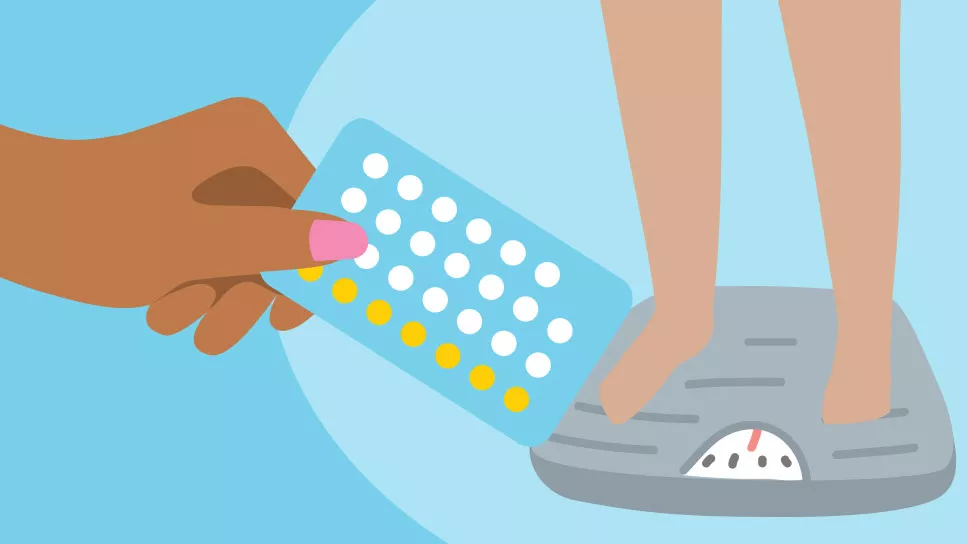
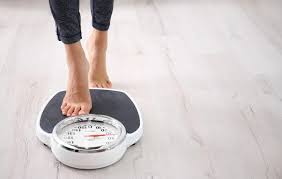
Analyzing contraceptives and weight gain. The majority of contemporary contraceptives do not significantly increase body weight. While oral contraceptives, hormonal IUDs, and implants have little to no effect on weight for the majority of users, injectable contraceptives like Depo-Provera have the largest correlation with weight gain. It’s crucial to talk about any worries with a medical professional, who can assist in selecting the best type of contraception depending on personal preferences and health requirements.
ANALYZING CONTRACEPTIVES AND WEIGHT GAIN
Concerns about the connection between weight gain and contraception are widespread. However, the data differs according on the kind of contraceptive that is being used. The possible effects of various contraceptives on weight are examined in further detail below:
1. Oral Contraceptive Pills;
Evidence: Studies have shown mixed results. Most research indicates that combined oral contraceptives (containing both estrogen and progestin) do not cause significant weight gain. Some women may experience slight weight changes due to fluid retention or hormonal fluctuations, but these changes are generally minimal.
Summary: Significant weight gain is not a common side effect of oral contraceptives.
2. Injectable Contraceptives;
Evidence: Some studies have found that Depo-Provera (an injectable contraceptive containing progestin) is associated with weight gain in a subset of users. The average weight gain can be around 5-10 pounds over the first couple of years of use.
Summary: Injectable contraceptives are more likely to be associated with weight gain compared to other forms.
3. Hormonal IUDs;
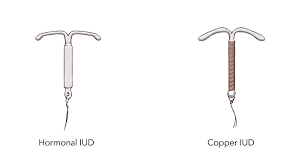
Evidence: Hormonal IUDs release localized hormones (levonorgestrel) in the uterus, and systemic absorption is minimal. Studies generally do not show significant weight gain with hormonal IUDs.
Summary: Hormonal IUDs are not commonly associated with weight gain.
4. Non-Hormonal IUD;
Evidence: The copper IUD (ParaGard) is non-hormonal and does not affect weight.
Summary: Non-hormonal IUDs do not cause weight gain.
5. Contraceptive Implants;

Analyzing contraceptives and weight gain
Evidence: Some users of contraceptive implants may experience weight gain, though the amount and prevalence vary. Studies suggest that any weight changes are generally modest and not significantly different from the general population’s weight changes.
Summary: Contraceptive implants may be associated with slight weight gain in some users.
Factors Influencing Weight Changes;
Analyzing contraceptives and weight gain
– Individual Variation: Responses to contraceptives can vary widely among individuals. Some may experience weight changes, while others may not.
– Diet and Lifestyle: Weight gain can also be influenced by factors unrelated to contraceptive use, such as changes in diet, physical activity, stress, and overall lifestyle.
– Hormonal Sensitivity: Some individuals may be more sensitive to hormonal changes, which could potentially affect appetite and metabolism.
Summary
According to scientific data, the majority of contemporary contraceptives do not significantly or permanently increase body fat. Oral pills, patches, and IUDs are generally weight-neutral, although the progestin-only injection is associated with a little increase in weight. Fluid retention is usually the cause of any early weight changes on the scale.

How to turn off iphone

Techniques for stress management

Fingernails common diseases

A Step-by-Step Guide to Deleting Reels on Instagram

A Comprehensive Guide to Setting Up a YouTube Premiere