Health
Natural methods of deworming

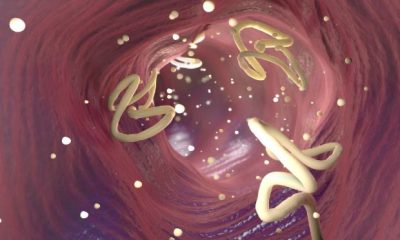
There are several natural methods that may help in deworming, although their effectiveness may vary, and it’s essential to consult with a healthcare professional for proper guidance and treatment. Here are some natural methods often suggested for deworming:
1. Garlic:
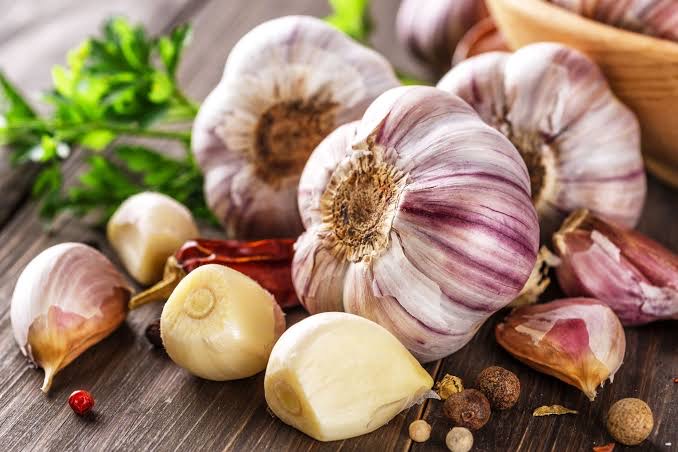
Garlic has been widely used for its anti-parasitic qualities. Consuming raw garlic or garlic supplements may help fight some parasites. Nevertheless, the evidence for its usefulness is minimal, and huge doses of garlic could prove hazardous, so use it with caution.
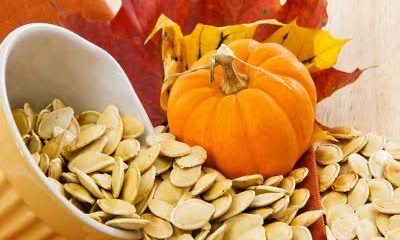
2. Pumpkin Seeds:
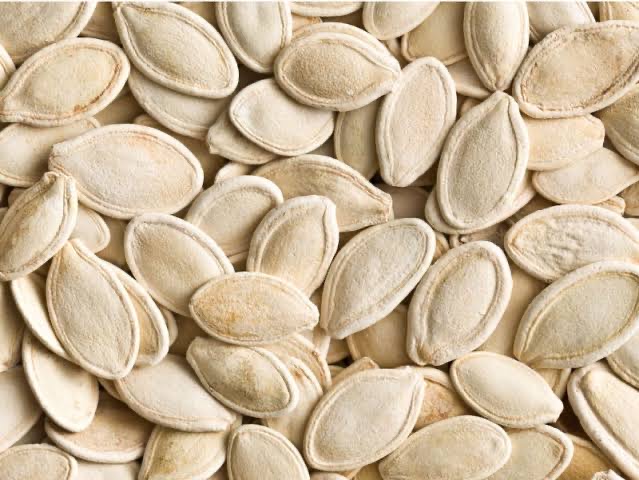
Pumpkin seeds contain an amino acid called cucurbitacin, which has anti-parasitic properties. Consuming raw pumpkin seeds or pumpkin seed oil may help expel intestinal parasites. Some people grind the seeds and mix them with juice or water for easier consumption.
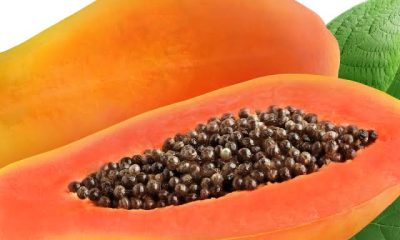
3. Papaya Seeds:

Papaya seeds contain an enzyme called papain, which may help in killing intestinal parasites. Consuming a small amount of raw papaya seeds on an empty stomach followed by a laxative can help expel worms.
4. Wormwood:
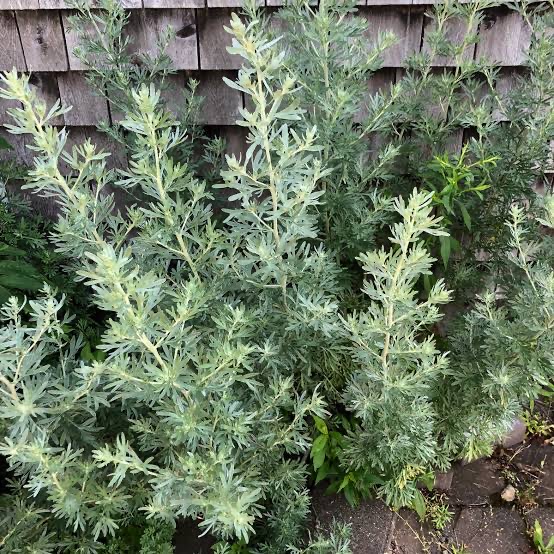
Wormwood, also known as Artemisia annua, is an herb traditionally used for its anti-parasitic properties. It contains compounds like artemisinin, which may help in killing parasites. However, wormwood should be used with caution and under the guidance of a healthcare professional, as it can be toxic in large amounts.
5. Cloves:
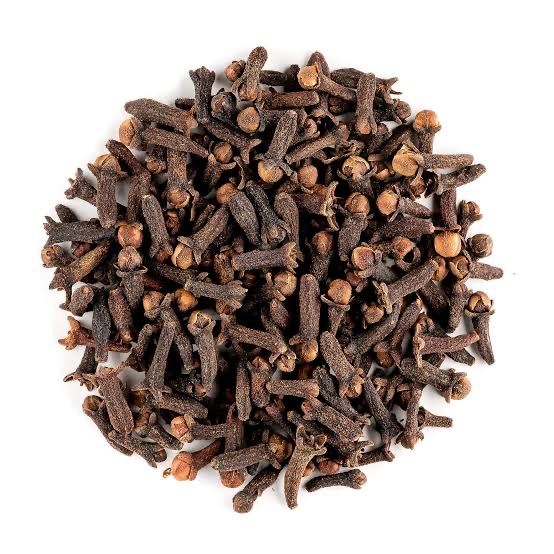
Cloves contain compounds like eugenol, which have been shown to have anti-parasitic properties. Consuming ground cloves or clove oil may help in deworming, particularly against intestinal parasites.
6. Probiotics:

Probiotics are beneficial bacteria that can help restore the balance of gut flora, which may indirectly help in controlling parasitic infections. Consuming probiotic-rich foods like yogurt, kefir, sauerkraut, and kimchi may support gut health.
7. Dietary Changes:
Making dietary changes such as reducing sugar and refined carbohydrates, increasing fiber intake, and consuming more fruits and vegetables can help create an environment in the gut that is less hospitable to parasites.
8. Hygiene Practices:
Practicing good hygiene, such as washing hands thoroughly with soap and water before eating or handling food, can help prevent the transmission of parasitic infections.
While these natural methods may offer some benefit in supporting overall health and potentially aiding in deworming, they are not a substitute for medical treatment. If you suspect a parasitic infection, it’s essential to consult with a healthcare professional for proper diagnosis and treatment. They can prescribe appropriate medications based on the type of parasite involved and your individual health needs.







Warm Water Compress and Common Ailments. For a number of conditions, a warm water compress is an easy-to-use solution that can offer comforting relief. This traditional treatment is soaking a fresh cloth in warm water, wringing it out, and applying it to the afflicted area. Warm compresses are a safe and efficient technique to encourage healing and comfort, whether for minor injuries, eye ailments, or muscle soreness
WARM WATER COMPRESS AND COMMON AILMENTS
Warm water compresses are a simple and efficient addition to any self-care regimen. to encourage relaxation and ease slight discomfort. This straightforward treatment is proof of the effectiveness of natural, at-home care for a happier, healthier life.
What are Warm Water Compresses?
A warm water compress is made by immersing a towel or cloth in warm water (not too hot). Wringing it out, and applying it to the skin. The heat helps dilate blood vessels, increasing blood circulation and delivering more oxygen and nutrients to the affected area. This not only eases pain but also promotes faster healing and muscle relaxation.
Benefits;
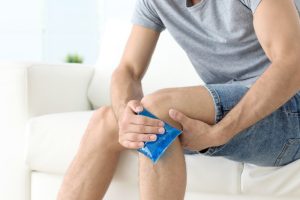
Warm water compresses are effective for sore muscles and joint pain, providing temporary relief by loosening tight or stiff muscles and alleviating tension.
2. Alleviating Eye Conditions: For those suffering from dry eyes, styes, or blepharitis, a warm compress can help by loosening clogged oil glands and promoting tear production. This reduces irritation and helps clear mild infections.
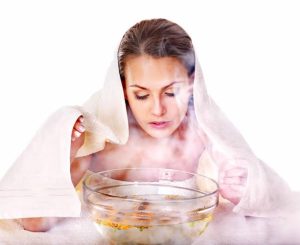
Warm Water Compress and Common Ailments
Placing a warm compress over the nose and forehead can relieve sinus congestion and pressure by loosening mucus and improving circulation in the sinus area.
4. Soothing Menstrual Cramps: When applied to the lower abdomen, warm water compresses help relax the muscles of the uterus, reducing menstrual pain and cramping.
How to Use a Warm Water Compresses Safely;
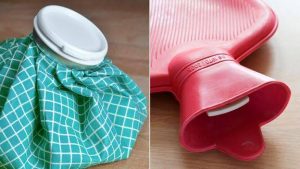
Warm Water Compress and Common Ailments
Ensure the water is warm but not too hot to avoid skin burns. Apply the compress for 10-15 minutes, repeating as necessary but allowing breaks between applications to avoid overheating the skin.
Summary
A warm water compress helps treat common conditions like sinus pain, styes, and muscle stiffness by increasing blood flow and relaxing muscles.

How to Treat Drug Misuse. Addiction treatment is a means of managing the problem rather than a cure, much like treatment for other chronic illnesses like asthma or heart disease. Through treatment, individuals can restore control over their lives and combat the destructive effects of addiction on their brain and behavior.
HOW TO TREAT DRUG MISUSE
Addiction is a condition that can be treated. study-based approaches that assist individuals in quitting drug use and returning to productive lives—also referred to as recovery—have been developed as a result of study on the science of addiction and the treatment of substance use disorders.
Addiction and misuse

Drug abuse and addiction are two distinct things. But not all substance abusers suffer from addiction. Addiction According to a reliable source, addiction to a specific drug, item, or activity is a fact or a condition. Addiction to substances is distinct from addiction to non-substances. The following are a few instances of non-substance addiction: • food; • internet; • gaming; • mobile phone • Sexual relations
Symptoms
The following are the main signs of addiction: a decline in grades or difficulties in school; poor performance at work; relationship problems, which frequently involve lash outs at those who recognize the addiction; an inability to stop using a substance despite the fact that it may be causing health problems or personal problems, such as problems with employment or relationships; a noticeable lack of energy in daily activities; significant changes in appearance, including weight loss and a noticeable disregard for hygiene.
Withdrawal from substance addiction

How to Treat Drug Misuse
When someone with an addiction stops using the drug or abusing the habit, they could show some signs. Abrupt withdrawal from a substance can cause a host of unpleasant symptoms, in rare circumstances, could be fatal for someone who has developed a physical dependence on it.
Treatments

How to Treat Drug Misuse
Advances in diagnosis and medicine have given the medical profession new tools to manage and treat addiction Trusted Source. Behavioral therapy and psychotherapy, medication-based treatment, and medical devices for withdrawal are a few techniques. • providing ongoing care to lower the chance of relapse; treating associated psychological issues.
Summary
Addiction is the inability to stop using a substance, especially when doing so could have detrimental repercussions on one’s body or mind.
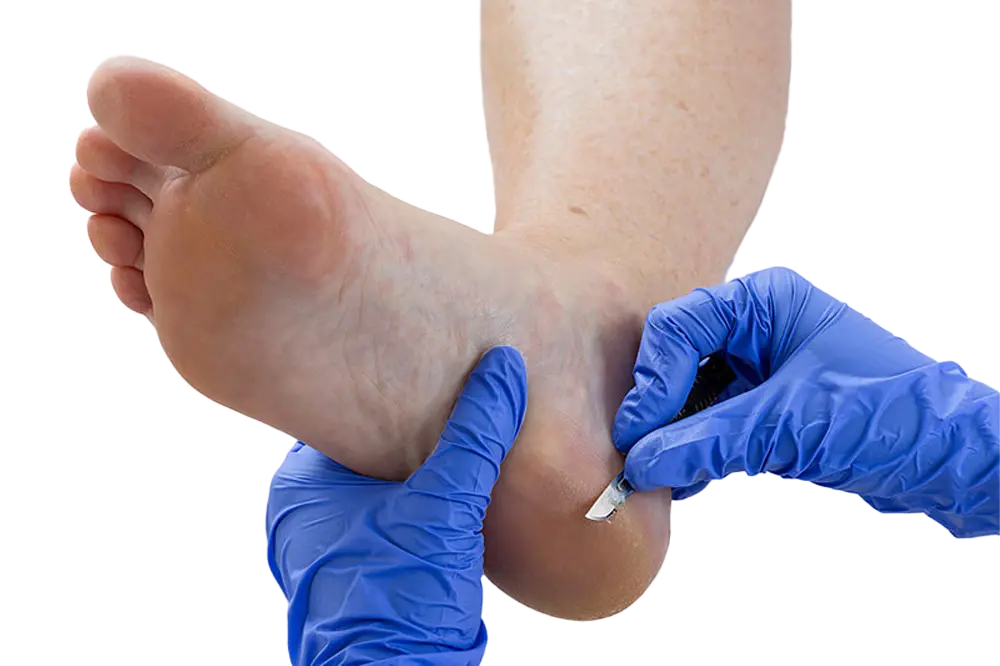
Calluses Diagnosis. Thickened patches of skin called calluses develop naturally as a result of frequent pressure, friction, or irritation. If neglected, they can be unpleasant and ugly even though they are often harmless.
CALLUSES DIAGNOSIS
See a doctor for treatment if a callus starts to hurt or exhibits symptoms of infection. You can control calluses and maintain the health of your skin with the right treatment.
Causes;
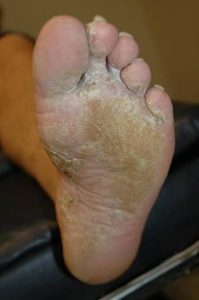
Calluses often develop on the hands and feet, as these areas are most exposed to repetitive activities. Common causes include:
– Wearing tight or ill-fitting shoes.
– Walking barefoot or in high heels.
– Manual labor or activities like gardening, weightlifting, or playing musical instruments.
Prevention;
Prevention is key to avoiding discomfort. Here are some tips:

Calluses Diagnosis
Ensure shoes fit well and provide adequate cushioning.
– Use Gloves: Protect your hands during activities that involve gripping tools or equipment.
– Moisturize Regularly: Keep your skin hydrated to prevent dryness and cracking.
Caring for Calluses
If you already have calluses, these steps can help:
Calluses Diagnosis
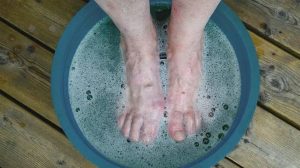
– Soak and Exfoliate: Soak the affected area in warm water to soften the skin, then gently scrub with a pumice stone.
– Apply Moisturizers: Use lotions containing urea or salicylic acid to soften the skin.
– Avoid Cutting: Do not attempt to cut or pick at calluses, as this can lead to infection.
Summary
A thick, hard area of skin called a callus develops to shield your body from repetitive pressure or friction.

Torchlight Selection

Best Practices for Face Exfoliation

Chemical Face Exfoliation

A Step-by-Step Guide to Deleting Reels on Instagram

A Comprehensive Guide to Setting Up a YouTube Premiere