Health
Oculopharyngeal Muscular Dystrophy


OCULOPHARYNGEAL MUSCULAR DYSTROPHY
Oculopharyngeal muscular dystrophy. Muscle weakening results from a rare hereditary condition called oculopharyngeal muscular dystrophy. Even though you are born with the gene mutation that causes OPMD, symptoms typically appear in maturity, around the ages of 40 or 50. OPMD symptoms are progressive, which means they get worse with time. However, your symptoms typically worsen gradually. One kind of muscular dystrophy is OPMD. Muscle weakness is a symptom of hereditary disorders called muscular dystrophies.
OCULOPHARYNGEAL MUSCULAR DYSTROPHY
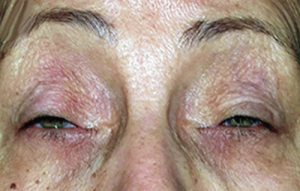
A rare genetic disorder called oculopharyngeal muscular dystrophy (OPMD) causes gradual muscle weakness, mainly in the eyes and neck but perhaps in the limbs as well. It is a late-onset condition that usually manifests beyond the age of 40, with an average onset age of 50. Ptosis, or drooping eyelids, and dysphagia, or trouble swallowing, are the primary symptoms.
Signs
Your throat and eyes are affected by OPMD. Muscle weakness in your throat and eyes could result in:
Speaking with difficulty
Having trouble swallowing
Double vision.
eyelids that droop.
weakness of the face.
reduced eye movement and visual impairment.
atrophy or weakness in your tongue.
Causes

A hereditary disorder, oculopharyngeal muscular dystrophy is caused by a mutation in a gene that is present from birth. Your PABPN1 gene has the mutation that causes OPMD. It is either one or both of your parents that carry the PABPN1 gene mutation. Most OPMD patients have at least one OPMD parent.
Two copies of the PABPN1 gene are found in your DNA, and most genes are found in pairs. Oculopharyngeal muscular dystrophy can occur if you have a mutation in just one copy of your PABPN1 gene. On the other hand, the mutation occurs in both copies of the PABPN1 gene in certain individuals. Individuals who have mutations in both copies of the PABPN1 gene typically have more severe symptoms of OPMD earlier in life.
Treatment
Physical or occupational therapy: Consulting with a therapist can help you become stronger and engage in your daily activities. If muscle weakness impairs your ability to walk and move, your therapist can suggest assistive technology like walkers, leg braces, or canes.
Speech therapy: If you have trouble speaking and swallowing because of OPMD, a speech-language pathologist can help. To lessen swallowing issues, you can change your diet, eat smaller portions, or adjust your head posture.
Injections of botulinum toxin: A medical professional may provide a botulinum toxin injection into a muscle at the top of your throat. This helps you swallow more smoothly by momentarily relaxing the muscle. For long-lasting effects, you could require injections every several months.
Prevention
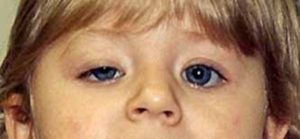

Oculopharyngeal muscular dystrophy cannot be prevented because it is an inherited disorder.
You might think about getting a genetic test if one of your parents has OPMD. A genetic test searches for the OPMD-causing gene mutation. A genetic counselor helps you understand the risks of passing on OPMD or other inherited diseases to your offspring while also discussing your test results.
Summary
The majority of people have their first symptoms of OPMD beyond the age of 40, therefore you might not be aware of it until later in life. See your doctor as soon as you experience signs of OPMD. They can do tests to identify OPMD and provide symptom management therapy. Oculopharyngeal muscular dystrophy does not shorten your life expectancy, however it does gradually worsen with time. A high quality of life is possible with treatment.